Logo200.png)
Posted by Work Safety Experts on 7/7/2023 to
Work Safety News
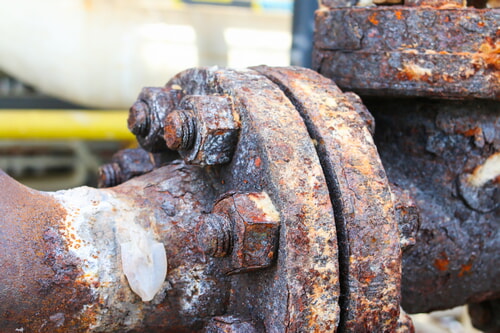
Nut Splitters
Nut splitters are powerful tools commonly used in various industries, such as automotive, construction, and manufacturing, to remove stubborn or corroded nuts. While these tools are handy, they can pose risks if not properly used. Therefore, it is crucial to follow safety guidelines to ensure safe operation and prevent injuries. Whether you are an experienced professional or a DIY enthusiast
Here are some essential nut splitters safety tips to keep in mind:
Personal Protective Equipment (PPE) is a Must:
Always wear the appropriate personal protective equipment before using a nut splitter. This typically includes safety goggles or a face shield to protect your eyes from flying debris, safety gloves to safeguard your hands, and sturdy footwear to protect your feet. Additionally, consider wearing ear protection if operating the tool in a loud environment.Inspect the Nut Splitter:
Before each use, carefully inspect the nut splitter for any signs of damage or wear. Check the cutting blade, threads, and handles for cracks, chips, or other defects that could compromise the tool's integrity. Do not use a damaged nut splitter, and promptly replace worn-out parts.Choose the Right Nut Splitter:
Nut splitters come in various sizes to accommodate different dimensions. Ensure that you select the appropriate nut splitter for the task at hand. Using an undersized or oversized nut splitter can lead to inefficient operation or potential accidents.Prepare the Work Area:
Clear any clutter or obstructions that could impede your movement while operating the nut splitter. Keep bystanders away from the immediate vicinity to avoid potential injuries from flying debris. Secure the workpiece to prevent it from moving during the splitting process.Use Proper Technique:
When using a nut splitter, position the tool squarely on the nut, ensuring it is aligned with its axis. Apply steady, even pressure on the handles to avoid sudden jerking or excessive force that may cause the tool to slip or the nut to fragment unexpectedly. If the nut does not split easily, do not exert excessive force; instead, reassess the situation and consider alternative approaches.Maintain a Stable Posture:
Maintain a stable and balanced posture while operating the nut splitter. Ensure that your footing is secure, and avoid overreaching or leaning excessively, as this can compromise your stability and control over the tool.Beware of Flying Debris:
Nut splitters can produce sharp metal fragments and debris during the splitting process. Always wear appropriate eye protection and ensure no unprotected individuals are in the vicinity. Consider using a protective barrier or shield to contain the debris and prevent it from causing harm.Securely Store Nut Splitters:
After use, store the nut splitters safely and organized. Keep them in a designated area away from moisture, extreme temperatures, and other potentially damaging conditions. Ensure that the tool is properly cleaned and if applicable, lubricated before storage.Training and Familiarity:
If you are new to using nut splitters or unfamiliar with their operation, seek proper training and guidance. Familiarize yourself with the tool's user manual, understand its limitations, and practice using it on less critical tasks before tackling more complex or challenging nuts.Regular Maintenance and Inspection:
Regularly inspect and maintain your nut splitters to ensure they remain in optimal condition. Clean the tool after each use, lubricate moving parts as the manufacturer recommends, and periodically check for signs of wear or damage. Promptly address issues and replace worn-out components to guarantee safe and efficient operation.
