Logo200.png)
Flame-Resistant Clothing vs Fire-Resistant Gear: What’s the Difference?
In industrial, utility, oil & gas, and construction environments, exposure to heat, sparks, and open flame is a daily reality. Choosing the correct protective clothing can be the difference between a minor incident and a life-altering injury. Yet many workers and even supervisors use the terms flame-resistant and fire-resistant interchangeably when in fact, they describe very different types of protection. Understanding how each works, what standards apply, and when each should be used is critical for maintaining compliance, protecting workers, and preventing serious burn injuries.
1. What Is Flame-Resistant (FR) Clothing?
Flame-resistant (FR) clothing is designed to self-extinguish when exposed to flame. Unlike untreated fabrics that continue to burn or melt, FR materials either resist ignition or stop burning once the ignition source is removed.
- Primary purpose: Reduce burn injury by limiting flame spread and burn time.
- How it works: Fabric chemistry prevents sustained combustion.
- Key feature: Does not melt or drip onto the skin.
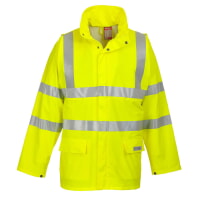
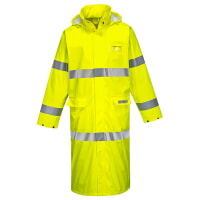
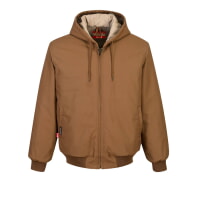
- Typical garments: Shirts, pants, coveralls, hoodies, jackets.
FR clothing is commonly required in environments where workers face flash fire, arc flash, or combustible dust hazards. Importantly, FR clothing is not fireproof it is meant to minimize injury, not eliminate all risk.
2. What Is Fire-Resistant Gear?
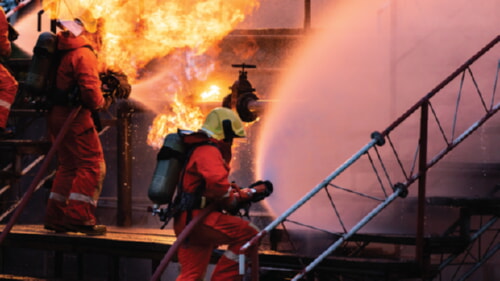
Fire-resistant gear generally refers to equipment or materials designed to withstand high heat or flame exposure for extended periods without failing structurally. This term is often used to describe barriers, equipment, or specialized PPE rather than everyday workwear.
- Primary purpose: Resist heat penetration or structural degradation.
- How it works: Uses thick, insulated, or layered materials.
- Common examples: Fire blankets, turnout gear, welding curtains, fire-rated gloves.
- Typical users: Firefighters, emergency responders, specialized industrial crews.
Fire-resistant gear is typically bulkier and designed for high-intensity exposure, not daily wear during routine operations.
3. The Critical Differences Between FR Clothing and Fire-Resistant Gear
While both types of protection involve flame exposure, they serve different roles in workplace safety programs.
- Mobility: FR clothing is lightweight and wearable for full shifts; fire-resistant gear is heavier and task-specific.
- Exposure duration: FR clothing protects against short-duration events like flash fires; fire-resistant gear handles prolonged exposure.
- Compliance standards: FR clothing is governed by specific workplace safety standards; fire-resistant gear often follows emergency or structural fire codes.
- Comfort and fatigue: FR garments are designed for breathability; fire-resistant gear prioritizes insulation over comfort.
Choosing the wrong option can lead to heat stress, reduced productivity, or inadequate protection.
4. Safety Standards and Compliance Requirements
Understanding applicable standards helps ensure you’re not only protecting workers but also meeting regulatory obligations.
- NFPA 2112: Standard for flame-resistant garments for flash fire protection.
- NFPA 70E: Electrical safety standard governing arc flash PPE.
- OSHA 29 CFR 1910: Requires employers to assess hazards and provide appropriate PPE.
- ASTM F1506: Performance specification for arc-rated FR textiles.
Fire-resistant gear, on the other hand, may follow standards such as NFPA 1971 (firefighter turnout gear) or other application-specific codes.
5. Choosing the Right Protection for the Job
Selecting between flame-resistant clothing and fire-resistant gear depends entirely on the hazard assessment.
- Use FR clothing when: There is a risk of flash fire, arc flash, or incidental flame exposure.
- Use fire-resistant gear when: Tasks involve sustained flame, radiant heat, or emergency response.
- Layering matters: FR base layers should always be worn under arc flash or fire-resistant outerwear.
- Never mix non-FR layers: Cotton treated as FR is safer than synthetic materials that melt.
Employers should perform documented hazard assessments and train workers on proper PPE selection.
Bonus Tip:
Always verify that FR clothing maintains its rating for the life of the garment. Some treated fabrics lose effectiveness after repeated laundering if not properly maintained.
Conclusion
Flame-resistant clothing and fire-resistant gear serve different but equally important roles in workplace safety. FR clothing is designed for everyday protection against sudden ignition events, while fire-resistant gear is built for sustained, high-heat exposure. Understanding the difference helps employers stay compliant, reduces injury risk, and ensures workers are protected without unnecessary bulk or heat stress. When in doubt, consult safety standards and match PPE to the specific hazard not just the job title.
Exploreflame-resistant clothing and fire-resistant safety gearat Abolox and equip your team with protection designed for real-world industrial hazards.
Supporting Articles & References
Safety+Health: Trends in AR/FR Clothing
Provides a manufacturer-backed explanation of FR fabrics and use cases.
Flame-Resistant Clothing: Everything You Need to Know
Discusses compliance, garment selection, and maintenance considerations.
Tagged Products