Logo200.png)
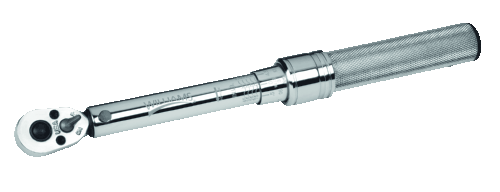
CDI 1002MFRMH Dual Scale Micrometer Adjustable Torque Wrench: A Practical Choice for 10–100 ft-lb Fastening
Torque accuracy is one of the fastest ways to improve reliability in mechanical work especially when you’re tightening hardware that lives under vibration, heat cycles, and repeated service. Too little torque can allow fasteners to back out; too much torque can stretch bolts, damage threads, or crush gaskets and housings. The CDI 1002MFRMH is built for professionals who want repeatable results in a very common working range: 10–100 ft-lb. This model combines a rugged metal handle with a dual scale, micrometer adjustment, and a positive locking mechanism to keep settings from drifting on the job.
1. Verified Product Specs (Straight From the Abolox Listing)
Here are the specifications and included features exactly as shown on the Abolox product page for the CDI 1002MFRMH. This keeps your blog accurate and prevents confusion with similarly named CDI models.
- Model / Part Number: CDI1002MFRMH
- Drive Size: 3/8" drive
- Torque Range: 10–100 ft-lb
- Scale: Dual scale
- Calibration: Calibrated dual direction
- Case: Comes with plastic case
- Handle: Knurled metal handle for tough, non-slip grip
- Lock: Positive lock with spring loaded pull down lock ring
- Set-up: Fast, accurate and easy to set
- Readability: Easy-to-read laser marked scales
- Accuracy: ±3% CW of indicated value CW from 20% to 100% of full scale
- Calibration Certificate: Individually serialized with matching certificate traceable to N.I.S.T.
- Country of Origin: US
These points are the backbone of what makes this model valuable: it’s designed for professional use, provides a common working torque range, and includes the documentation many shops need for QA and compliance.
2. Why the 10–100 ft-lb Range Matters in Real Work
The 10–100 ft-lb range is a “daily-driver” zone for many mechanics and industrial maintenance teams. It covers a lot of the torque values you’ll see in equipment service tasks without jumping into ultra-high torque tooling. That makes this range practical for teams who need consistent fastening without dragging around oversized tools.
- Better control than “by feel”: Once you start applying repeatable torque, your assemblies become more consistent especially across multiple technicians.
- Fewer fastener failures: Correct torque helps reduce loose hardware, gasket leaks, and premature wear caused by uneven clamping force.
- Less rework: Getting torque right the first time reduces callbacks, retightening, and troubleshooting “mystery vibration” issues.
3. Micrometer Adjustment + Positive Lock = Settings That Stay Put
A torque wrench is only as reliable as its ability to hold the value you set especially in environments where the tool is moved around, bumped, or used repeatedly throughout the day. The CDI 1002MFRMH uses a micrometer adjustable design paired with a spring-loaded pull-down lock ring so your torque setting doesn’t creep during use.
- Micrometer adjustment: Lets you dial in torque values quickly with repeatable settings.
- Pull-down lock ring: Locks the chosen value so it won’t shift mid-task.
- Laser marked scales: Helps technicians confirm settings quickly and reduces misreads.
4. Dual Scale + Dual Direction Calibration: What It Means (and What It Doesn’t)
The page notes two important features: dual scale and calibrated dual direction. Dual scale means the wrench provides two measurement units on the body (commonly imperial and metric). Calibrated dual direction means the wrench is calibrated for use in both tightening directions. This can matter in certain procedures and controlled environments where torque is applied or verified in more than one direction.
- Dual scale: Faster work for teams that use mixed specs without constant conversions.
- Dual direction calibration: Useful for workflows where procedures call out torque checks in either direction.
- Important note: Even with dual direction calibration, always follow the equipment manufacturer’s torque procedure and sequence.
5. Professional Features That Matter: Grip, Storage, Retention, and Documentation
This model is part of CDI’s metal handle series, described as “rugged, industrial strength” with a lightly knurled grip. That’s not marketing fluff—grip and control are real safety factors when torque is applied near the upper end of the range.
- Knurled metal handle: Helps reduce slip risk when wearing gloves or working around oils and lubricants.
- Plastic case: Protects the tool between jobs and helps keep calibration paperwork together.
- NIST-traceable certificate + serialization: Helpful for toolroom control, audits, QA programs, and any environment that tracks torque tool compliance.
- Quick-release button note: The product family description states 1/4", 3/8", and 1/2" drive models feature quick release buttons for socket retention and removal—supporting smoother workflow on repetitive tasks.
Bonus Tip:
For best accuracy and longest service life, use the wrench within its recommended accuracy band and avoid “jerking” the pull. Apply torque smoothly, and stop immediately at the click.
Conclusion
If your team routinely tightens fasteners in the 10–100 ft-lb range and you want repeatability with professional documentation, the CDI 1002MFRMH is a strong fit. It combines a rugged knurled metal handle, micrometer adjustment with a positive lock, dual scale readability, dual direction calibration, and NIST-traceable certification—features that support consistent results in real shop and field conditions.
Explore CDI 1002MFRMH Dual Scale Micrometer Adjustable Torque Wrench (10–100 ft-lb)at Abolox and equip your crew with torque control you can trust.
Supporting Articles & References
Williams Micrometer Adjustable Dual-Scale Torque Wrenches – Industrial Series
Helpful for brand background, torque product categories, and calibration/tooling context.
