Logo200.png)
Ensuring a Safe Working Environment in Heating, Ventilation, and Air Conditioning
Introduction:
Heating, Ventilation, and Air Conditioning (HVAC) systems are vital in maintaining comfortable indoor environments. However, working with HVAC systems involves potential hazards that can pose risks to technicians and property owners. It is essential to prioritize safety and follow proper safety measures to prevent accidents, injuries, and equipment damage. This article presents essential HVAC safety tips to create a safe working environment, protect technicians, and ensure the efficient and effective operation of HVAC systems.
Proper Training and Certification:
Obtaining proper training and certification is essential for HVAC technicians to understand the complexities of HVAC systems and the safety protocols involved.
Consider the following:
- HVAC certification: Ensure technicians are properly certified and trained in HVAC installation, maintenance, and repair procedures. Certification programs provide comprehensive knowledge of safety practices specific to HVAC systems.
- Ongoing training: Encourage technicians to participate in regular training programs to stay updated with the latest safety standards, equipment, and technologies in the HVAC industry.
Personal Protective Equipment (PPE):
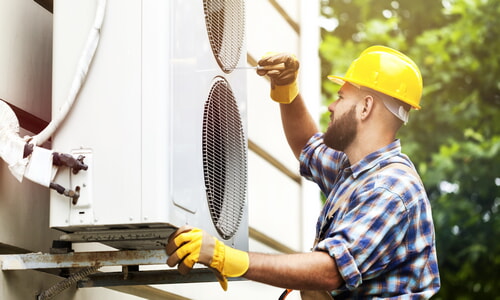
Wearing appropriate personal protective equipment is crucial for HVAC technicians to minimize the risk of injuries.
Some essential PPE for HVAC work includes:
- Safety goggles: Protect the eyes from debris, chemicals, or flying particles during installation, repair, or maintenance.
- Respiratory protection: When working in environments with airborne contaminants, such as dust, mold, or chemicals, use respiratory protection, such as masks or respirators.
- Gloves: Wear gloves, such as cut-resistant or insulated gloves, to protect hands from sharp edges, electrical hazards, or extreme temperatures.
- Steel-toed boots: Use safety boots with steel toe caps to protect feet from falling objects, heavy equipment, or accidental impacts.
- Protective clothing: Wear appropriate clothing, such as coveralls or flame-resistant garments, to protect against chemicals, sparks, or electrical hazards.
Electrical Safety:
Working with electrical components is critical to HVAC systems.
Follow these guidelines to ensure electrical safety:
- Shut off the power: Before performing any electrical work on HVAC systems, ensure that the power is turned off at the circuit breaker or main electrical panel.
- Lockout/tagout procedures: Implement lockout/tagout procedures to isolate and secure electrical equipment from energy sources during maintenance or repair tasks.
- Use insulated tools: When working with electrical components, use insulated tools to prevent electrical shocks. Inspect tools for damage or wear regularly and replace as needed.
- Avoid water exposure: Keep electrical components and wiring dry to prevent the risk of electrical shock. Be cautious when working in wet or damp environments.
Equipment Safety:
Proper handling and maintenance of HVAC equipment are essential for safe operation.
Consider the following:
- Equipment inspection: Inspect HVAC equipment regularly to identify any potential issues, such as loose connections, worn parts, or leaks. Address any problems promptly.
- Proper lifting techniques: Use proper lifting techniques or mechanical aids, such as dollies or hoists, when moving heavy HVAC equipment to prevent strains or injuries.
- Follow manufacturer guidelines: Adhere to manufacturer guidelines when installing, operating, or maintaining HVAC equipment. Follow recommended procedures for servicing, cleaning, and troubleshooting.
Indoor Air Quality (IAQ) Considerations:
Maintaining good indoor air quality is crucial for the health and comfort of building occupants.
Pay attention to the following:
- Ventilation: Ensure proper ventilation in HVAC systems to provide adequate fresh air exchange and prevent the buildup of contaminants or stale air.
- Mold prevention: Take precautions to prevent mold growth in HVAC systems by keeping equipment clean, controlling moisture levels, and promptly addressing any leaks or water damage.
- Filter maintenance: Regularly inspect and clean or replace air filters to ensure efficient airflow and minimize the presence of allergens, dust, or pollutants.
- Chemical exposure: Use caution when working with refrigerants or chemicals in HVAC systems. Follow proper handling procedures, wear appropriate PPE, and store chemicals in designated areas.
Conclusion:
Implementing these HVAC safety tips is vital for creating a safe working environment, protecting technicians, and ensuring the effective and efficient operation of HVAC systems. By providing proper training, using personal protective equipment, following electrical safety measures, handling equipment correctly, and considering indoor air quality, HVAC technicians can minimize the risk of accidents, injuries, and equipment damage. Prioritizing safety in HVAC work protects technicians and promotes the well-being and comfort of building occupants.
