Logo200.png)

Construction Industry: multipurpose Hand Tools for Builders
The **construction industry** relies on a wide range of tools to ensure projects are completed efficiently and to the highest standards. Among these, **multipurpose hand tools** play a crucial role. These tools offer portability, precision, and reliability, making them indispensable for **builders, contractors, and craftsmen**. Whether you are building homes, commercial spaces, or infrastructure projects, having the right hand tools in your toolkit can make all the difference in **productivity and quality**. In this blog, we’ll explore the most essential and multipurpose hand tools that every builder needs.
Why Hand Tools are Essential for Builders
While power tools are excellent for speed, hand tools are preferred for **precision work** and jobs that require more control. They also ensure **continuity in case of power outages** or when working in remote areas without electricity. Hand tools are often more **durable, lightweight, and easy to maintain**, making them a practical choice for professionals in the construction industry.
- Precision Work: Hand tools allow for detailed tasks that require finesse and care.
- Portability: They can be carried easily across job sites and don’t require batteries or power sources.
- Reduced Downtime: Builders can rely on hand tools when power tools malfunction or are unavailable.
Top multipurpose Hand Tools for Builders
1. Hammers and Mallets
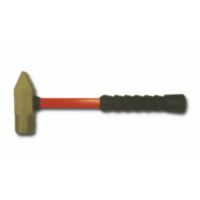
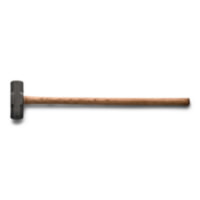
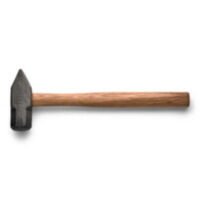
No construction site is complete without **hammers**. From driving nails to breaking materials, hammers come in various types such as **claw hammers**, **ball-peen hammers**, and **sledgehammers**. Builders also use **rubber mallets** for delicate surfaces that need force without causing damage.
- Claw Hammer: Ideal for driving and removing nails.
- Ball-Peen Hammer: Perfect for shaping metal and driving punches.
- Sledgehammer: Used for heavy-duty tasks like demolition.
2. Measuring Tools (Tape Measures, Levels, and Squares)
**Precision is everything** in construction. Builders rely heavily on measuring tools to ensure all cuts, angles, and installations are accurate. Common measuring tools include **tape measures**, **spirit levels**, and **speed squares**.
- Tape Measure: Essential for taking quick and accurate measurements.
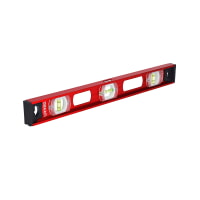
- Spirit Level: Ensures structures are perfectly horizontal or vertical.
- Speed Square: Useful for marking angles and making precise cuts.
3. Pliers and Wrenches
**Pliers** and **wrenches** offer builders the ability to grip, twist, and tighten materials and fasteners. They are vital for electrical work, plumbing, and assembling components.
- Slip-Joint Pliers: Adjustable pliers for gripping various-sized objects.
- Needle-Nose Pliers: Ideal for delicate tasks like wiring.
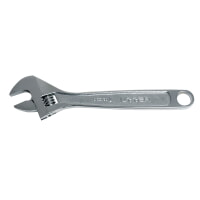
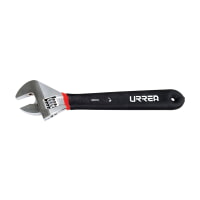
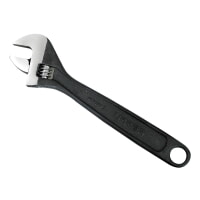
- Adjustable Wrench: A multipurpose tool for tightening bolts of different sizes.
4. Utility Knives and Handsaws
Builders use **utility knives** and **handsaws** for cutting materials that require precision and control. These tools are essential for tasks ranging from trimming wood to cutting drywall.
- Utility Knife: Ideal for scoring and cutting softer materials like carpet or cardboard.
- Handsaw: Useful for cutting through wood, plastic, or light metal.
Emerging Tools and Trends in the Construction Industry
As the construction industry evolves, new hand tools are emerging to address the needs of modern builders. **Ergonomic hand tools** are becoming popular for reducing fatigue and injury. Additionally, **multi-functional tools**—such as combination pliers or multi-bit screwdrivers—offer increased versatility, helping builders reduce the weight of their toolkits.
- Ergonomic Tools: Designed to minimize strain and increase comfort.
- Multi-Functional Tools: Tools that combine multiple functions in one, such as multi-bit drivers.
- Smart Tools: Tools integrated with **digital measurements** or sensors to increase accuracy and efficiency.
How to Maintain Your Hand Tools for Longevity
Proper maintenance ensures that your hand tools stay in excellent working condition. Cleaning tools after each use and storing them properly can prevent **corrosion and wear**. Regularly inspect tools for damage, such as loose handles or dull edges, and perform **routine sharpening** or repairs as needed.
Maintenance Tips:
- Clean tools with a dry cloth after use to prevent rust.
- Sharpen blades and cutting edges to maintain precision.
- Store tools in a dry, organized toolbox to avoid damage.
Conclusion: The Right Tools Make All the Difference
Hand tools remain an essential part of any builder’s toolkit, offering **reliability, precision, and versatility**. Whether you're driving nails, measuring angles, or cutting materials, the right tools can significantly **boost efficiency and ensure quality work**. As the construction industry continues to evolve, investing in high-quality and ergonomic hand tools is a smart choice for builders looking to stay competitive. Take care of your tools, and they’ll take care of your projects—ensuring long-lasting success on every job site.
Tagged Products


![MCR Safety 48406 Goatskin Leather Welding Glove With Impact Level 1 Protection[12 PACK]](assets/images/mcr/thumbnails/48406_thumb.jpg)
![Radians BG1-11 Barricade Anti Fog Safety Goggles Clear Anti-Fog [10 PACK]](assets/images/_radians/thumbnails/Radians_BG1-11_thumb.jpg)