Logo200.png)

How to Use a Box Wrench Tips and Techniques for Maximum Efficiency
A box wrench, known as a ring spanner, is a versatile and essential tool in any mechanic's or DIY enthusiast's toolkit. Its closed-loop design provides a secure grip on nuts and bolts, making it ideal for various projects. However, it's essential to use it correctly to maximize efficiency and get the most out of your box wrench. In this blog, we'll provide tips and techniques on using a box wrench effectively, ensuring smooth operation and successful outcomes in your DIY endeavors.
Choose the Right Size
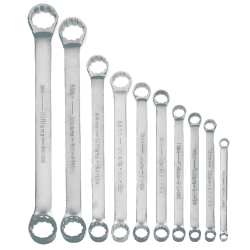
The first step to using a box wrench effectively is selecting the correct size for the nut or bolt you're working with. Using the wrong size wrench can lead to slippage, rounded edges, and potential damage to the fastener. Most box wrench sets come in metric and imperial sizes, so choose the one that matches the nut or bolt measurements. Test the fit of the wrench on the fastener before applying force to ensure it's the right size.
Position the Wrench Properly
To achieve maximum efficiency:
- Position the box wrench correctly on the fastener. The wrench should be perpendicular to the nut or bolt, ensuring a solid grip and preventing slipping during use.
- Avoid angling the wrench, as this can lead to a poor fit and potentially round off the edges of the fastener.
- When using a double-ended box wrench, ensure that the correct size is on the nut or bolt for a secure grip.
Apply Even Pressure
When turning a nut or bolt with a box wrench, apply even pressure on the handle to avoid over-tightening or damaging the fastener. Using excessive force may result in stripped threads or deform the wrench, reducing its effectiveness over time. If you encounter significant resistance, consider using a longer-handled box wrench for increased leverage, but always use controlled force to prevent accidents or injuries.
Use Offset or Flexible Box Wrenches in Tight Spaces
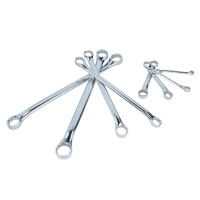
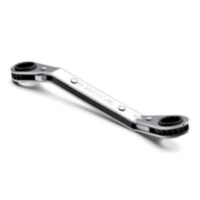
In situations where space is limited, consider using offset or flexible box wrenches. These box wrenches feature a bent or hinged design, allowing you to access nuts and bolts in confined or hard-to-reach areas. The offset design provides enhanced reach, making it an excellent option for automotive repairs and machinery maintenance where other parts may obstruct components.
Consider Ratcheting Box Wrenches for Efficiency
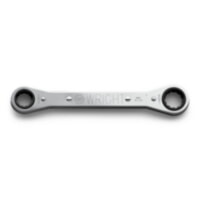
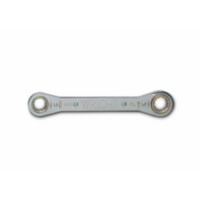
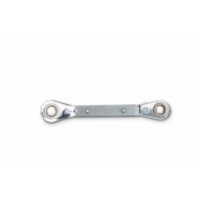
Ratcheting box wrenches are a game-changer regarding efficiency in repetitive tasks. These wrenches feature a gear mechanism that allows continuous rotation in one direction while maintaining the wrench's position during the opposite stroke. This eliminates the need to lift the wrench after each turn, saving time and effort, especially when working on multiple fasteners.
Lubricate Moving Parts
For box wrenches with moving parts, such as ratcheting mechanisms or flexible heads, regular lubrication is essential to ensure smooth operation. Use a few drops of lubricating oil or silicone spray on the pivot points and gears and work the wrench back and forth to distribute the lubricant evenly. Proper lubrication will extend the lifespan of your box wrench and maintain its efficiency.
Store Properly
Storing your box wrenches properly is crucial for maintaining their performance and longevity. Store them in a clean, dry toolbox or hang them on a pegboard to prevent exposure to moisture and dust. Organizing your tools will also make it easier to find the proper wrench when needed, saving time and frustration during projects.
Inspect for Wear and Damage
Regularly inspect your box wrenches for signs of wear or damage. Check the box end and the jaw's teeth for signs of rounding or chipping, as this can affect the wrench's ability to grip correctly. If you notice any damage or excessive wear, consider replacing the wrench or the jaw to ensure safe and efficient use.
Use Box Wrenches in Combination with Other Tools
While box wrenches are versatile and efficient, there may be situations where using them in combination with other tools is necessary. For example, for rusted or corroded fasteners, applying penetrating oil and using a breaker bar before switching to the box wrench can help loosen the nut or bolt without damaging the tool.
Understand the Limitations
Although box wrenches are excellent tools for many applications, they have limitations. For instance, they are unsuitable for rounded or damaged fasteners, and using them in such cases can lead to further damage. Consider using a specialized tool like a socket wrench or vice grips to remove the damaged fastener safely.
Tagged Products