Logo200.png)
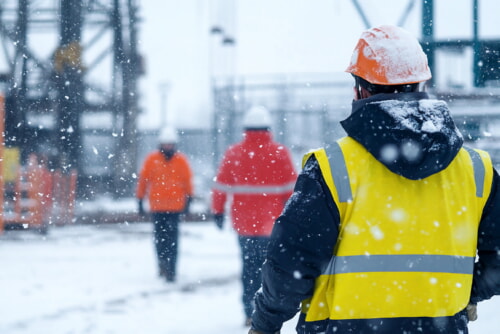
The Ultimate Winter PPE Checklist for Construction Crews
Winter introduces some of the most dangerous working conditions construction crews face all year. Snow, freezing rain, low temperatures, and limited visibility all increase the risk of slips, falls, frostbite, hypothermia, and equipment-related injuries. For supervisors and safety managers, having the correct winter PPE checklist is essential to keeping the workforce safe, productive, and compliant with OSHA cold-stress guidelines. This comprehensive guide details the must-have winter PPE items, why they matter, and how they support worker performance in harsh environments. If your crews operate outdoors between November and March, this checklist is your blueprint for safer winter work zones.
1. Thermal Base Layers and Insulating Apparel
The foundation of winter PPE begins with moisture-wicking base layers and insulating mid-layers. Workers who sweat and then cool too quickly are more susceptible to hypothermia and cold stress. Proper layering helps regulate body temperature and maintains warmth during extended outdoor shifts.
- Moisture-Wicking Base Layers: Synthetic or merino wool fabrics keep sweat off the skin, preventing dangerous cooling.
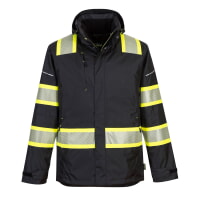
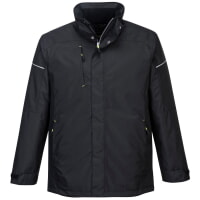
- Insulated Jackets: Quilted, fleece-lined, or soft-shell jackets preserve body heat without restricting mobility.
- Thermal Bibs or Pants: Essential for protecting the legs and lower torso against wind chill and contact with cold surfaces.
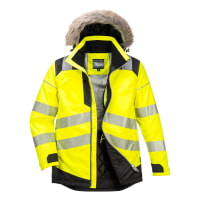
- High-Visibility Parkas: Combine insulation with ANSI visibility ratings for winter roadway or heavy-equipment sites.
2. Cold-Weather Head, Face, and Neck Protection
Up to 40% of body heat loss occurs through the head and neck. Workers exposed to wind, snow, and freezing rain require dedicated winter head protection in addition to standard hard-hat PPE.
- Hard-Hat Liners: Fleece-lined or FR-rated liners attach securely beneath helmets without interfering with fit.
- Balaclavas and Face Shields: Protect against wind burn, frostbite, and airborne ice crystals.
- Thermal Neck Gaiters: Provide adjustable warmth while allowing unrestricted movement.
- Insulated Earmuffs: Helpful in extremely cold environments where standard earplugs may be uncomfortable.
3. Winter-Rated Gloves and Hand Protection
Hands are one of the first body parts to suffer in cold conditions. Construction tasks require gloves that balance warmth, dexterity, and protection from cuts, impacts, and moisture.
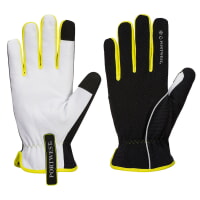
- Insulated Work Gloves: Combine thermal liners with abrasion-resistant palms for grip in wet or icy conditions.
- Waterproof Gloves: Prevent moisture penetration that can rapidly lower hand temperature.
- Cut-Resistant Gloves: Essential for handling rebar, sheet metal, and sharp materials while maintaining warmth.
- Impact-Rated Gloves: For heavy equipment operators working in freezing conditions.
4. Footwear and Traction Control
Slips and falls increase dramatically in winter, especially on ice-coated scaffolds, walkways, and loading zones. Proper winter footwear and traction add-ons are non-negotiable for safety.
- Insulated Safety Boots: Provide warmth and steel or composite toe protection.
- Waterproof Membranes: Help keep feet dry in snow, slush, or melting ice.
- Anti-Slip Outsoles: Aggressive tread patterns improve footing on icy surfaces.
- Detachable Ice Cleats: A must for jobsites prone to black ice or packed snow.
5. Visibility Gear, Lighting, and Environmental PPE
Shorter daylight hours and harsh winter storms reduce visibility across construction zones. Enhanced high-visibility gear and lighting improve safety and compliance with both OSHA and DOT requirements.
- ANSI Class 2 or 3 Hi-Vis Jackets: Bright reflective outerwear ensures workers remain visible to equipment operators and passing motorists.
- Clip-On LED Lights: Improve visibility during nighttime or low-vision work conditions.
- Thermal Safety Glasses: Anti-fog lenses prevent condensation when moving between warm and cold environments.
- Windproof and Waterproof Shells: Maintain comfort and heat retention during heavy winds or winter storms.
Bonus Tip:
Always keep a winter emergency kit onsite, including chemical hand warmers, spare gloves, insulated blankets, and electrolyte packets. These items help prevent cold-related medical events and keep crews functional during sudden temperature drops.
Conclusion
Construction crews face some of the toughest conditions during winter, but the right PPE dramatically reduces risks and keeps projects on schedule. From insulated jackets and waterproof gloves to anti-slip boots and hard-hat liners, every layer plays a role in preventing frostbite, slips, and cold stress. Supervisors should regularly inspect winter PPE, replace worn gear, and train employees on cold-weather hazard recognition. With the right equipment and preparation, winter construction work becomes safer, more efficient, and fully compliant with OSHA guidelines.
Explore winter construction PPE and cold-weather safety gear at Abolox and keep your crews protected throughout the harshest months of the year.
Supporting Articles & References
OSHA Winter Weather Safety Guidelines
OSHA’s official guidance on cold stress, PPE selection, work/rest cycles, and hazard controls during winter construction activities.
Winter Safety Tips for Workers – EHS Today
Expert recommendations on winter PPE, traction control, and worker readiness for cold-weather job sites.
Tagged Products