Logo200.png)
The Ultimate Guide to Maintaining Your Hand Tools in Winter
Winter is one of the toughest seasons for hand tools. Sub-zero temperatures, moisture, salt exposure, and drastic temperature swings can lead to rust, corrosion, frozen tool mechanisms, cracked handles, and reduced tool performance. Whether you work in construction, utilities, mechanical maintenance, road crews, or industrial service, winter conditions require special care to keep tools reliable, safe, and long-lasting. In this guide, we’ll break down the essential steps for maintaining your hand tools so they stay in peak condition all season long.
1. Protect Tools from Moisture and Corrosion
Moisture is the biggest enemy of metal tools during winter. Condensation forms when cold tools are brought into warm areas, leading to rust, pitting, and corrosion that weaken tool integrity. Proper rust prevention is the foundation of winter tool maintenance.
- Use protective tool coatings: Apply light machine oil, WD-40, silicone spray, or corrosion inhibitors to wrench heads, plier joints, sockets, and screwdrivers.
- Store tools in a dry area: Keep them off concrete floors and use moisture-absorbing packets, desiccants, or tool-box liners.
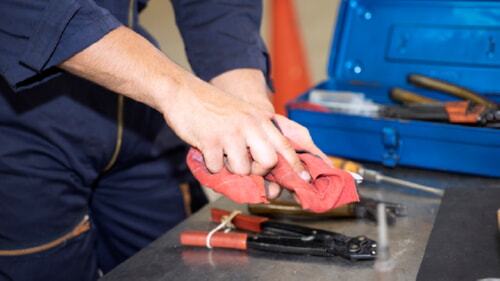
- Wipe tools after every shift: Snow and condensation must be removed immediately to prevent corrosion.
- Rust-resistant storage: Use weather-sealed toolboxes or bags designed to keep out moisture.
Proactive moisture control significantly extends tool life and prevents premature rust damage.
2. Keep Moving Parts Lubricated and Functional
Cold temperatures thicken lubricants and slow down mechanical movement, affecting pliers, ratchets, adjustable wrenches, and cutters. Without winter-grade lubrication, tools become stiff and inefficient.
- Use cold-rated lubricants: Synthetic oils and greases stay fluid in freezing temperatures.
- Lubricate joints regularly: Pliers, hinges, and ratchet mechanisms require more frequent maintenance in winter.
- Check ratchet pawls and gears: Cold can weaken spring tension and cause skipping.
- Prevent freeze-ups: Tools exposed to snow should be warmed and dried before use.
Well-lubricated tools operate smoother and reduce the risk of hand strain, slippage, or mechanical failure.
3. Prevent Tool Breakage Caused by Cold Temperatures
Cold reduces metal flexibility and increases brittleness. Even high-quality steel can crack or snap under impact when temperatures fall below freezing.
- Avoid striking cold metal tools: Hammers and impact tools should be warmed before heavy use.
- Warm tools gradually: Sudden temperature changes can weaken materials.
- Inspect plastic handles: Cold weather can cause cracking, splitting, or reduced grip traction.
- Use insulated or cold-rated tools: Ideal for linemen, outdoor crews, and winter construction.
Understanding how winter affects tool materials helps prevent breakage and ensures technician safety.
4. Store Tools Properly Between Tasks and Overnight
Where and how you store tools during winter has a major impact on performance and lifespan. Outdoor workers often face freezing vehicles, job boxes exposed to snow, or constant temperature swings.
- Use heated or insulated tool storage: Prevents rust, freezing, and brittle metal conditions.
- Bring tools indoors when possible: Keeps them warm and ready for immediate use.
- Organize tools in foam trays: Prevents shifting, moisture pooling, and impact damage.
- Use silica packs in toolboxes: Absorbs condensation and reduces rust formation.
- Hang tools vertically when wet: Air circulation speeds drying and prevents pooling water.
Proper winter storage ensures your tools stay workable, clean, and safe to handle each day.
5. Conduct Regular Inspections for Wear, Rust, and Winter Damage
Winter accelerates wear on hand tools, especially cutting edges, wrench jaws, screw tips, and ratchet heads. Regular inspection helps catch damage early before it becomes dangerous or costly.
- Check cutting edges: Cold weather dulls blades faster, increasing required force and injury risk.
- Inspect screwdriver tips: Frozen metal can chip or deform under torque.
- Examine wrench jaws: Look for spreading, rounding, or rust damage.
- Inspect plier alignment: Cold can shift pivot points or loosen fasteners.
- Look for cracked insulation: Critical for electricians and linemen using insulated tools.
Frequent inspections prevent failures and extend tool lifespan, keeping workers safe and equipment reliable.
Bonus Tip:
Keep a small portable heater or warming pad in work trucks or tool trailers. Warming tools for just 5–10 minutes can dramatically improve performance and reduce breakage risk in sub-zero temperatures.
Conclusion
Winter introduces challenges that require careful planning, maintenance, and protective strategies to keep hand tools in optimal condition. By preventing moisture exposure, lubricating moving parts, protecting tools from extreme cold, storing them properly, and performing regular inspections, workers can ensure their equipment remains safe and dependable throughout the winter season. Well-maintained tools not only last longer—they also improve worker safety and productivity. Equip your crews with the right care routines and winter-ready gear to keep operations running smoothly, no matter the temperature.
Explore winter-ready hand tools, lubricants, rust inhibitors, and protective storage solutions at Abolox and keep your tools performing reliably in the coldest conditions.
Supporting Articles & References
Tool Maintenance Tips – Safety+Health Magazine
Provides guidance on proper cleaning, lubrication, and storage methods for extending tool life and reducing failure.
OSHA’s main resource for hand tool hazards, maintenance, and safe-use requirements.
