Logo200.png)

The Role of Ergonomics in Designing Hand Tools: Enhancing Comfort and Efficiency
In the world of hand tools, ergonomics plays a crucial role in ensuring user comfort, reducing the risk of injury, and enhancing overall productivity. The science of ergonomics focuses on designing tools that fit the human body’s natural movements and capabilities. In this blog, we delve into the importance of ergonomics in hand tool design and how it benefits workers across various industries.
Understanding Ergonomics
Ergonomics is the study of how people interact with their environment and the tools they use. The goal is to design equipment and workspaces that promote comfort, efficiency, and safety. Regarding hand tools, ergonomic design aims to minimize physical strain, prevent repetitive stress injuries, and make tasks easier.
Key Principles of Ergonomic Hand Tool Design
- Natural Grip and Posture: Tools should allow users to maintain a natural grip and posture, reducing strain on the hands, wrists, and arms. Handles designed to fit the contours of the hand help achieve this.
- Reduced Force and Repetition: Ergonomic tools require less force to operate and minimize repetitive movements, which can lead to injuries such as carpal tunnel syndrome and tendinitis.
- Balanced Weight Distribution: Proper weight distribution in tools prevents muscle fatigue and improves control, allowing for more precise and efficient work.
- Adjustable Features: Tools with adjustable features, such as handle length and grip size, can be customized to fit different users, enhancing comfort and performance.
Benefits of Ergonomic Hand Tools
- Increased Comfort: Ergonomically designed tools reduce discomfort and fatigue, allowing workers to perform tasks for extended periods without strain.
- Enhanced Productivity: Comfortable and easy-to-use tools enable workers to complete tasks more efficiently, increasing productivity and reducing downtime.
- Reduced Injury Risk: By minimizing physical strain and repetitive motions, ergonomic tools help prevent common workplace injuries, improving overall safety.
- Improved Quality of Work: Workers can achieve higher precision and quality in their tasks with better control and reduced fatigue.
Examples of Ergonomic Hand Tools
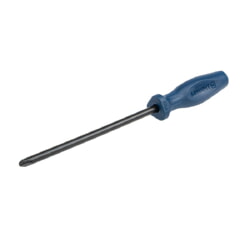
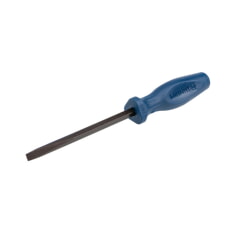
- Ergonomic Screwdrivers: These screwdrivers feature cushioned grips and contoured handles that reduce hand fatigue and provide better control.
- Pliers with Padded Handles: Pliers designed with padded, non-slip handles distribute pressure evenly, reducing the risk of hand and wrist injuries.
- Adjustable Wrenches: Wrenches with adjustable grips and angles allow users to maintain a natural wrist position, reducing strain and improving torque application.
- Utility Knives with Safety Features: Ergonomic utility knives include retractable blades and cushioned grips, enhancing safety and comfort.
Implementing Ergonomic Tools in the Workplace
- Conduct Ergonomic Assessments: Evaluate your workplace to identify tasks and tools that could benefit from ergonomic improvements. An ergonomic assessment can pinpoint areas where worker comfort and safety can be enhanced.
- Invest in High-Quality Ergonomic Tools: Choose tools designed with ergonomic principles in mind. Look for reputable brands known for their focus on ergonomics and user safety.
- Provide Training: Train workers on properly using ergonomic tools and techniques to maximize their benefits. Education on posture and tool handling is essential for reducing injury risk.
- Encourage Feedback: Regularly seek feedback from workers on the comfort and effectiveness of the tools they use. This feedback can guide future tool selections and ergonomic improvements.
Conclusion
Ergonomics is vital in designing hand tools that enhance comfort, reduce injury risk, and boost productivity. Businesses can create safer and more efficient work environments by prioritizing ergonomic principles in tool design. Investing in ergonomic hand tools is not just about compliance with safety standards; it’s about ensuring the well-being and performance of your workforce.
Visit ABOLOX.COM for more information on ergonomic hand tools and to explore our range of high-quality products. With our expert insights and innovative safety solutions, you can stay informed and keep your workplace safe.
Tagged Products