Logo200.png)
Summer Safety Kickoff: Prepping for Heat, Dust, and Long Days
Summer brings longer daylight hours, higher production demands, and increased exposure to environmental hazards that can challenge even experienced crews. Heat stress, airborne dust, and extended workdays combine to create higher risk for fatigue, injury, and illness across construction sites, warehouses, utilities, roadwork, and industrial operations. A summer safety kickoff is an effective way to reset expectations, refresh training, and ensure workers are equipped to handle seasonal conditions safely. By preparing early and addressing these hazards proactively, employers can protect their teams, maintain productivity, and reduce incidents during the busiest months of the year.
1. Recognizing Seasonal Risks Before They Escalate
Summer hazards are predictable, which makes them preventable when addressed ahead of time.
- Rising temperatures: Increased heat exposure elevates the risk of dehydration, heat exhaustion, and heat stroke.
- Dry conditions: Dust from soil, materials, and traffic can impair visibility and respiratory health.
- Extended daylight: Longer days often lead to longer shifts and cumulative fatigue.
2. Heat Stress: Preparing Workers Before the First Heat Wave
Heat stress is one of the most serious summer safety concerns, yet it is often addressed reactively.
- Hydration planning: Ensure cool drinking water is readily available near work areas.
- Scheduled rest breaks: Plan work/rest cycles before workers show signs of heat strain.
- Cooling PPE: Issue cooling towels, vests, or headwear early in the season to build usage habits.
3. Managing Dust Exposure on Busy Jobsites
Dust is more than a nuisance it poses respiratory and visibility hazards that increase accident risk.
- Respiratory protection: Use appropriate masks or respirators when dust levels are elevated.
- Eye protection: Safety glasses or goggles help prevent irritation and debris-related injuries.
- Dust control measures: Watering, ventilation, and housekeeping reduce airborne particles.
4. Protecting Workers During Long Summer Workdays
Longer daylight hours can encourage extended shifts, increasing fatigue-related incidents.
Fatigue affects reaction time, judgment, and coordination especially in hot environments. Supervisors should monitor workloads, rotate tasks when possible, and encourage workers to speak up when they feel fatigued. Simple measures like shaded rest areas and flexible scheduling can make a significant difference in maintaining alertness.
5. PPE Adjustments for Summer Conditions
Seasonal changes often require PPE adjustments to maintain protection and comfort.
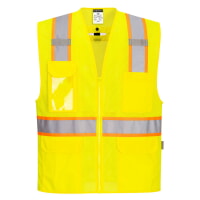
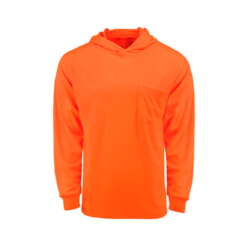
Lightweight, breathable hi-vis apparel, UV-rated safety glasses, anti-fog lenses, and moisture-wicking garments help workers stay protected without overheating. Reviewing PPE fit and condition during a summer kickoff ensures gear is ready for higher temperatures and increased use.
6. Training and Communication Set the Tone
A summer safety kickoff is an ideal opportunity to reinforce expectations and refresh training.
Toolbox talks focused on heat stress symptoms, dust hazards, and fatigue management help workers recognize risks early. Clear communication about reporting concerns without fear of penalty builds a culture where safety comes first, even during busy periods.
7. Leadership Involvement and Ongoing Monitoring
Safety initiatives are most effective when leadership is visibly engaged.
Supervisors and managers should lead by example by wearing appropriate PPE, taking hydration breaks, and adjusting work plans when conditions change. Monitoring weather forecasts, dust levels, and workload trends allows teams to adapt quickly and prevent small issues from becoming serious incidents.
Bonus Tip:
Launch your summer safety kickoff before temperatures spike so crews are prepared rather than reacting to extreme conditions.
Conclusion
A proactive summer safety kickoff helps teams prepare for the unique challenges of heat, dust, and long workdays. By addressing these risks early through planning, PPE adjustments, training, and leadership involvement, employers can protect worker health while maintaining productivity. Seasonal safety preparation is not just about compliance—it’s about setting crews up for success during the most demanding time of the year.
Explore summer safety PPE and jobsite protection at Abolox and equip your team for a safer, more productive season.
Supporting Articles & References
6 Steps to Summer Safety – NOAA
Highlights practical steps for staying safe during summer conditions, including heat awareness, weather monitoring, and preparedness for outdoor work environments.
Heat Safety One-Pager – National Weather Service
Provides a concise, easy-to-share overview of heat safety tips, warning signs, and preventive actions to reduce heat-related illnesses during hot weather.
Tagged Products