Logo200.png)
Spring Cleaning for the Jobsite: Refreshing Your PPE and Tools
Spring marks a natural reset for jobsites across construction, industrial, and maintenance environments. After months of winter exposure mud, moisture, salt, cold temperatures, and heavy wear personal protective equipment (PPE) and tools often show signs of degradation. Spring cleaning for the jobsite is more than housekeeping; it is a proactive safety strategy. By inspecting, cleaning, and replacing worn PPE and tools, supervisors can reduce injury risk, improve productivity, and reinforce compliance with workplace safety requirements. A structured spring refresh helps crews start the busy season with equipment they can trust.
1. Why Spring Is the Ideal Time for a Jobsite Reset
Seasonal transitions expose issues that may go unnoticed during daily operations. Spring provides a logical checkpoint to evaluate the condition of PPE and tools after winter stress.
- Winter wear and tear: Cold temperatures, moisture, and road salt can weaken materials, corrode metal tools, and compromise PPE performance.
- Increased workload ahead: Spring often signals higher project volume, making reliable equipment essential to meet schedules safely.
- Clear inspection opportunity: A planned refresh prevents unsafe gear from remaining in service simply due to habit or convenience.
2. Inspecting and Refreshing Personal Protective Equipment
PPE is the first line of defense against jobsite hazards. Spring inspections should focus on both condition and fit to ensure equipment still provides the intended level of protection.
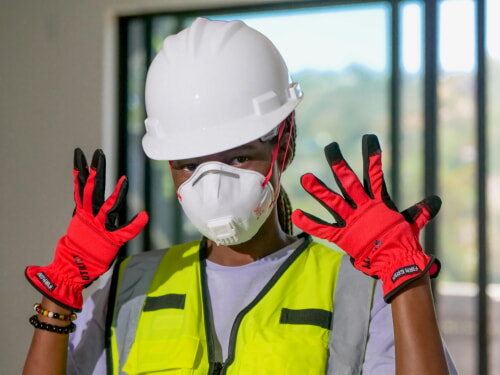
- Head, eye, and face protection: Check hard hats for cracks, UV damage, or compromised suspension systems; inspect eyewear for scratches, fogging, or loose frames.
- Hand protection: Evaluate gloves for tears, thinning material, chemical exposure, or loss of grip that could reduce protection.
3. Cleaning, Maintaining, and Replacing Hand Tools
Tools that are dirty, corroded, or damaged increase the likelihood of injury, equipment failure, and rework. A spring jobsite refresh should include both routine maintenance and clear decisions about when tools must be replaced.
- Cleaning and lubrication: Remove dirt, rust, and buildup from hand tools, then lightly lubricate moving parts to protect against corrosion and extend service life.
- Condition-based replacement: Remove tools from service if handles are cracked, fastener contact surfaces are rounded, or components are bent or weakened beyond safe repair.
4. Organization and Storage Improvements
Spring cleaning is also an opportunity to improve how PPE and tools are stored and managed on the jobsite. Proper organization supports efficiency and accountability.
Designate clean, dry storage areas for PPE to prevent contamination and material breakdown. Use tool rolls, clip rails, or labeled storage systems to keep tools visible and secure. Organized storage reduces loss, speeds up inspections, and discourages workers from using damaged equipment simply because it is convenient.
5. Training, Documentation, and Accountability
Refreshing PPE and tools should be paired with communication and documentation. Supervisors should review inspection criteria with crews and reinforce expectations for reporting damaged equipment.
Maintaining simple inspection checklists and replacement logs helps demonstrate due diligence and supports compliance during audits or incident investigations. Spring refresh initiatives also reinforce a safety-first culture by showing workers that management prioritizes proper equipment.
Bonus Tip:
Turn spring cleaning into a short safety stand-down give crews time to inspect their own PPE and tools while supervisors address replacements immediately.
Conclusion
Spring cleaning for the jobsite is a practical way to reset safety standards, improve productivity, and extend the life of equipment. By inspecting and refreshing PPE, maintaining or replacing tools, and improving organization, teams start the season prepared for higher workloads and changing conditions. A structured spring refresh reduces injuries, supports compliance, and reinforces accountability across the workforce.
Explore PPE and professional-grade tools at Abolox and equip your team with reliable protection and equipment built for demanding jobsites.
Supporting Articles & References
PPE Cleaning & Care: Best Practices for Safety Equipment – DOZR
Outlines practical methods for cleaning, storing, and maintaining PPE to help preserve protective performance and extend equipment lifespan on the jobsite.
