Logo200.png)
Introduction
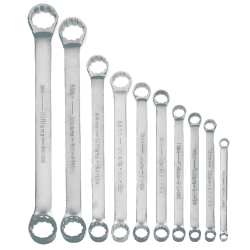
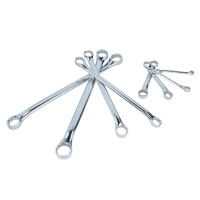
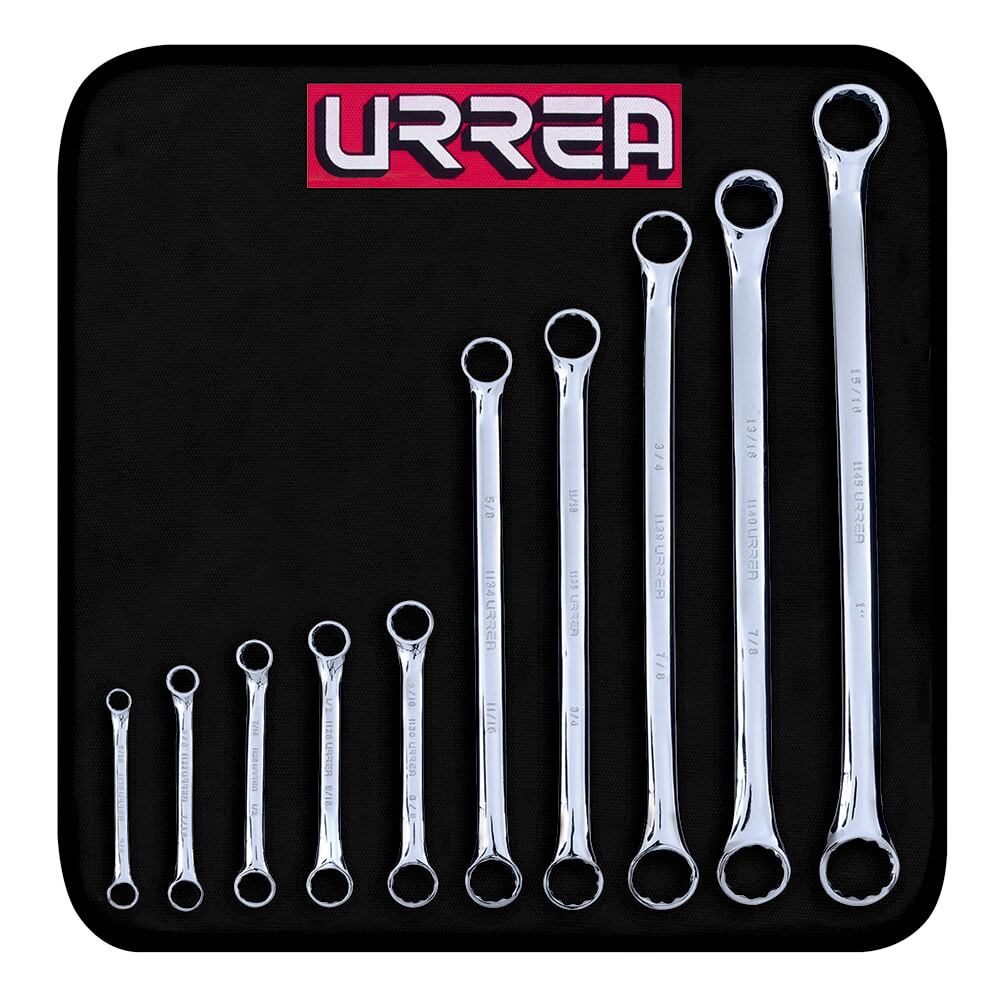
Box wrenches, or open-end wrenches or spanners, are fundamental in hand tools. Used primarily for turning nuts and bolts, they are celebrated for their simplicity and effectiveness. However, as with any tool, box wrenches come with their own set of challenges. This comprehensive guide delves into these issues, offering insights and solutions to help both professionals and DIY enthusiasts make the most of these indispensable tools.
Limited Angle Engagement
One of the primary limitations of box wrenches is their restricted engagement angle. Due to their design, these tools often require frequent repositioning in tight spaces, which can be time-consuming and cumbersome. To overcome this, consider using a combination wrench, which provides the convenience of a closed loop on one end and an open end on the other, offering greater flexibility in confined areas.
Limited Torque
Box wrenches may need to catch up to other types, such as socket wrenches, in terms of torque. This shortcoming can be particularly noticeable when loosening tight or stubborn nuts and bolts. A viable solution is to employ longer wrenches or breaker bars to increase leverage or to use penetrating oils to facilitate loosening.
Size Compatibility
An ill-fitting wrench hinders your work and risks damaging both the wrench and the fastener. Maintaining a comprehensive set of wrenches in various sizes is advisable, and adjustable wrenches can be a suitable, albeit cautious, choice for added versatility.
Slippage Issues
Slippage is a frequent and frustrating issue with box wrenches, often a result of misalignment with the fastener. This can lead to the dreaded rounding off corners on nuts and bolts. Opting for six-point wrenches over twelve-point ones can reduce this risk, providing a better grip and minimizing the likelihood of slippage.
Limited Grip
The grip provided by box wrenches can sometimes be insufficient, particularly with rusted or corroded fasteners. Wrenches with enhanced grip designs, like those with textured handles, can offer a solution. Additionally, treating corroded fasteners with penetrating oils can improve grip effectiveness.
Single-Sided Design
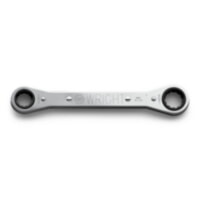
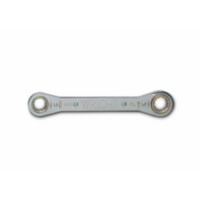
The single-sided design of box wrenches necessitates flipping the tool to alternate between tightening and loosening actions. This is less convenient than the reversible mechanism found in socket wrenches. Investing in reversible ratcheting box wrenches, which combine the accessibility of a box wrench with the convenience of a socket wrench, can be a time-saving alternative.
Bulkiness and Maneuverability
In tight spaces, the bulkiness of larger box wrenches can be a significant drawback. For these situations, offset wrenches provide better clearance with their angled heads, and compact or miniaturized versions of box wrenches offer practical solutions.
Specialized Applications
While box wrenches are multipurpose, they may only sometimes be the best fit for specialized tasks, such as in plumbing or automotive work. For such applications, a combination of different wrench types tailored to the specific requirements of the task is often the most efficient approach.
Solutions and Best Practices
Right Tool for the Right Job
Always select the wrench type best suited to the task to ensure efficiency and minimize damage risk.
Quality Over Quantity
Invest in high-quality wrenches. A well-made wrench can provide better torque, grip, and durability.
Maintenance is Key
Regularly maintain your tools. Clean and store them properly after use to prolong their life and keep their effectiveness.
Know Your Tools
Familiarize yourself with the strengths and limitations of each wrench type in your toolbox. This knowledge can significantly impact the success of your projects.
Safety First
Always prioritize safety by wearing appropriate personal protective equipment and using tools for their intended use.
Conclusion
Understanding and adapting to the limitations of box wrenches are crucial for any handyman or DIY enthusiast. By utilizing the right tools and techniques, you can overcome these challenges and ensure that your projects are completed efficiently and safely. Remember, knowledge and adaptability are just as necessary as strength and precision in tools.
Tagged Products