Logo200.png)

The Best Lightweight Gloves for Spring Construction Projects
As construction activity ramps up in the spring, crews face longer workdays, warmer temperatures, and a wider range of tasks that demand precision and control. Heavy winter gloves can quickly become uncomfortable and limit dexterity, while going without hand protection exposes workers to cuts, abrasions, and blisters. Lightweight work gloves bridge that gap by providing essential protection without sacrificing comfort. Selecting the right lightweight gloves for spring construction projects helps crews stay productive, reduces hand fatigue, and supports safer jobsite practices during the busiest part of the year.
1. Why Lightweight Gloves Matter on Spring Jobsites
Spring conditions often require frequent transitions between tasks such as material handling, fastening, measuring, and equipment operation. Gloves must support these changes without slowing workers down.
- Enhanced dexterity: Lightweight gloves allow workers to handle small fasteners, tools, and controls with greater precision.
- Improved comfort: Breathable materials reduce heat buildup and sweat, helping prevent irritation during warmer days.
- Baseline protection: Even light-duty gloves help guard against common hazards like scrapes, splinters, and minor cuts.
2. Key Features to Look for in Spring Construction Gloves
Not all lightweight gloves are created equal. The best options combine flexibility with materials engineered for jobsite durability.
- Nitrile or polyurethane coatings: Provide strong grip and abrasion resistance without adding bulk.
- Breathable knit backs: Promote airflow to keep hands cool during extended wear.
- Snug, ergonomic fit: Reduces bunching and improves control when using hand and power tools.
3. Matching Gloves to Spring Construction Tasks
Selecting gloves based on task requirements helps balance protection and performance across different work activities.
- General labor and material handling: Lightweight coated gloves offer grip and durability for lifting, carrying, and staging materials.
- Framing and carpentry: Flexible gloves with good tactile response support fastening and layout work.
4. OSHA Considerations and Hand Protection Requirements
OSHA requires employers to provide appropriate hand protection when hazards such as cuts, abrasions, punctures, or chemical exposure are present. Lightweight gloves can meet these requirements when properly selected through a hazard assessment.
Supervisors should evaluate the specific risks of spring construction tasks and ensure gloves provide adequate protection while allowing workers to perform their jobs safely and efficiently.
5. Care, Inspection, and Replacement Practices
Even lightweight gloves require routine inspection and maintenance to remain effective. Gloves should be checked daily for tears, thinning material, and worn coatings.
Dirty or heavily worn gloves should be cleaned according to manufacturer instructions or replaced promptly. Keeping spare gloves available prevents workers from continuing to use damaged PPE due to convenience or supply shortages.
Bonus Tip:
Stock multiple glove sizes and styles at tool stations so workers can easily select the best option for their task and hand size.
Conclusion
Lightweight gloves are an essential part of spring construction safety, offering the right balance of comfort, dexterity, and protection as workloads increase. By selecting task-appropriate gloves, reinforcing inspection habits, and planning for timely replacement, supervisors can help crews work more safely and efficiently throughout the season. Investing in quality lightweight gloves supports productivity while reducing the risk of hand injuries on active jobsites.
Explore lightweight work gloves at Abolox and equip your team with dependable hand protection for spring projects.
Supporting Articles & References
Types of Safety Gloves and How to Choose the Right One – Hazwoper-OSHA
Breaks down common safety glove materials and protection types, helping employers select the right gloves based on job hazards and task requirements.
Tagged Products
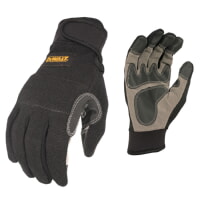
![MCR Safety 9278NF Cut A3 Work Glove 18 Gauge [12 PACK]](assets/images/mcr/thumbnails/9278NF_thumb.jpg)
![MCR Safety 9693PU CutPro Gloves 15G Stretch Kevlar, Gray PU Palm, Touchscreen, Lightweight [12 PACK]](assets/images/mcr/thumbnails/9693PU_thumb.jpg)
![MCR Safety N9696 Ninja Lite Gloves Blue Nylon, PU Palm & Fingertips, Lightweight Precision [12 Pack]](assets/images/mcr/thumbnails/N9696_thumb.jpg)
