Logo200.png)
How to Layer PPE for Maximum Warmth and Mobility
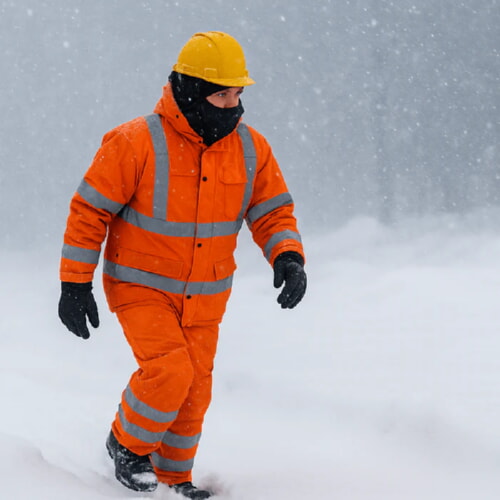
Cold-weather jobs demand more than just heavier clothing. When temperatures drop, workers often add layers quickly sometimes without considering how those layers affect movement, dexterity, or PPE compliance. The result can be restricted motion, increased fatigue, and even higher injury risk. Properly layering PPE is about balance: retaining body heat while preserving mobility, visibility, and access to protective features. When done correctly, a layered system helps workers stay warm, productive, and safe throughout long winter shifts.
1. Why Layering Matters More Than Bulk
Wearing one thick garment might seem like the easiest solution, but bulk restricts movement and traps moisture. Layering allows workers to regulate body temperature while maintaining flexibility and task performance.
- Temperature control: Layers trap warm air and allow adjustment as conditions change.
- Moisture management: Proper layering moves sweat away from the skin.
- Improved mobility: Multiple thinner layers flex better than a single heavy coat.
- Reduced fatigue: Lighter systems decrease strain during repetitive work.
For physically demanding jobs, staying dry is just as important as staying warm.
2. Base Layer: Moisture Control and Skin Protection
The base layer sits directly against the skin and plays a critical role in comfort and warmth. Its main job is to wick moisture away so sweat doesn’t cool the body once activity slows.
- Material choice: Synthetic blends or merino wool perform better than cotton.
- Fit: Snug but not restrictive to maximize moisture transfer.
- FR considerations: In flame or arc-rated environments, the base layer must also be FR-rated.
A poor base layer can negate the effectiveness of every other layer worn on top.
3. Mid Layer: Insulation Without Restriction
The mid layer provides insulation by trapping warm air while still allowing movement. This layer should be flexible and breathable to prevent overheating during active tasks.
- Common options: Fleece jackets, insulated vests, or lightweight thermal pullovers.
- Mobility focus: Stretch panels or articulated sleeves improve range of motion.
- Layering versatility: Vests add warmth without restricting arms.
Mid layers should be easy to remove if activity levels increase.
4. Outer Layer: Protection From Wind, Weather, and Hazards
The outer layer shields workers from wind, precipitation, and jobsite hazards. It also plays a role in visibility and compliance.
- Weather resistance: Windproof and water-resistant materials reduce heat loss.
- Visibility: Hi-vis outerwear ensures compliance in low-light winter conditions.
- FR or arc-rated needs: Outer layers must meet applicable safety standards when required.
- Fit: Should allow free movement without excess fabric catching on equipment.
The outer layer should complement not compress the insulation beneath it.
5. Don’t Forget Extremities: Hands, Head, and Feet
Heat loss occurs rapidly through extremities. Proper layering extends beyond the torso.
- Hands: Use insulated gloves that maintain dexterity; consider glove liners for flexibility.
- Head & neck: Thermal liners, balaclavas, or FR hoods reduce heat loss.
- Feet: Moisture-wicking socks paired with insulated, slip-resistant boots.
- Compatibility: Ensure added layers don’t interfere with hard hats, helmets, or face protection.
Cold hands and feet reduce concentration and increase the likelihood of mistakes.
Bonus Tip:
Layer for the task not just the temperature. Workers who move frequently need more breathability, while stationary roles require additional insulation.
Conclusion
Effective PPE layering is a strategic approach to winter safety not an afterthought. By combining a moisture-wicking base layer, a flexible insulating mid layer, and a protective outer shell, workers can stay warm without sacrificing mobility or compliance. Add proper protection for hands, head, and feet, and the result is a system that supports productivity, comfort, and safety throughout cold-weather operations.
Explore winter PPE and cold-weather workwearat Abolox and equip your team with layered protection built for real-world winter conditions.
Supporting Articles & References
Building A Cold Weather Layering System for Winter Work
Discusses practical layering strategies and PPE considerations for winter jobsites.
ISHN – Prevent Cold Stress by Layering, Choosing Correct Garments
Industry safety publication detailing what each layer should do (wick moisture, insulate when wet, block wind/rain) and why that layering system matters at work.
Tagged Products