Logo200.png)
How to Choose the Right Torque Wrench for Precision Work
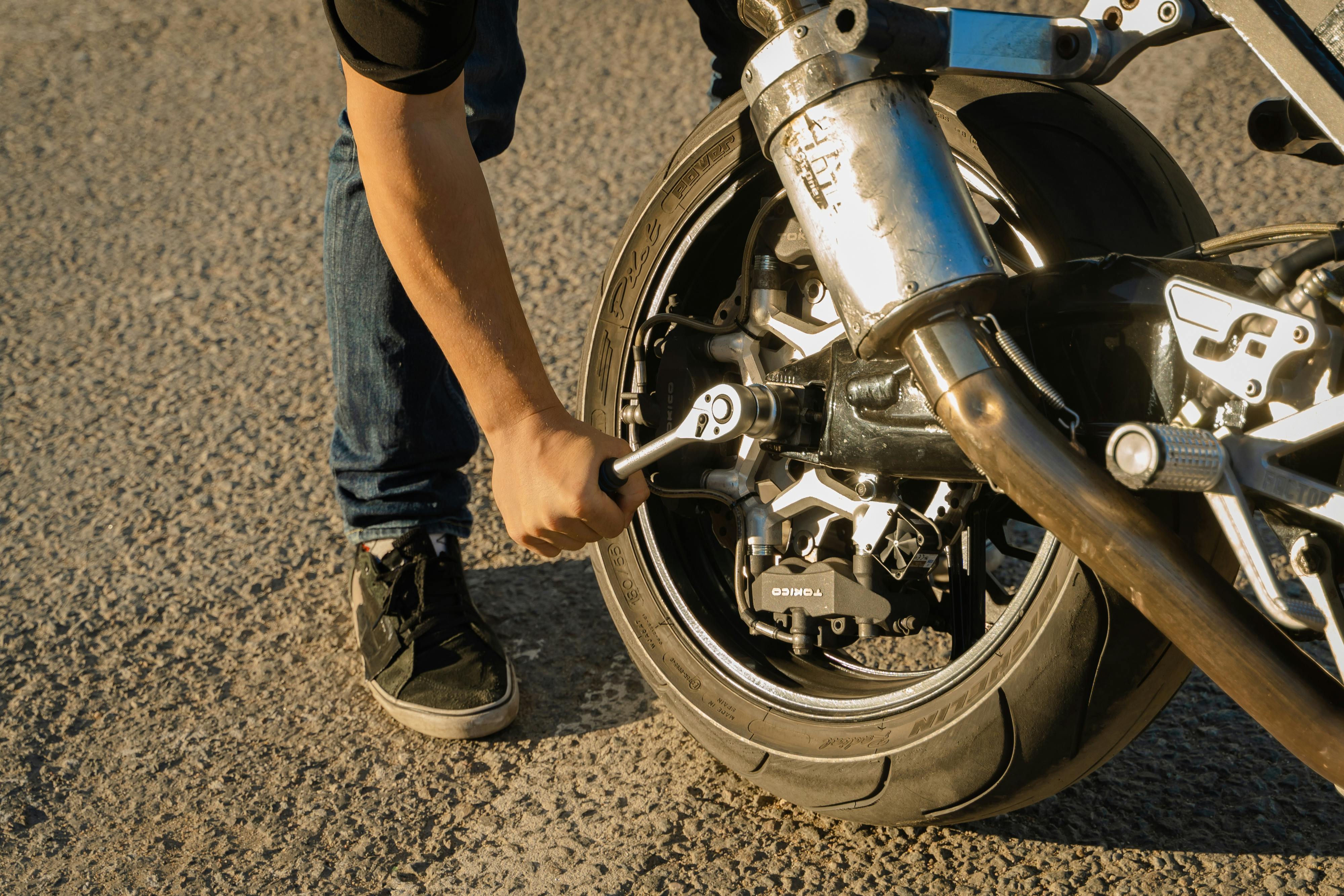
In precision work, tightening a fastener is never just about making it “good and tight.” Whether the task involves automotive assemblies, industrial machinery, HVAC equipment, electrical components, or maintenance on sensitive mechanical systems, the correct torque matters. Too little torque can allow parts to loosen, vibrate, or fail prematurely. Too much torque can strip threads, crack housings, damage gaskets, or distort components. That is why choosing the right torque wrench is critical. The right tool improves accuracy, protects equipment, and helps technicians deliver repeatable, professional results every time.
1. Understand Why Torque Accuracy Matters
Precision work depends on consistency. A torque wrench is designed to apply a specific amount of force to a fastener so the connection performs as intended by the manufacturer or engineer.
- Prevents Over-Tightening: Excess force can damage bolts, nuts, threads, and connected components.
- Prevents Under-Tightening: Insufficient torque may lead to loose assemblies, vibration, or leaks.
- Improves Reliability: Correct torque helps ensure parts remain secure under operating loads.
In many industries, torque specifications are not optional. They are part of equipment standards, warranty requirements, and maintenance procedures. Using the wrong torque wrench can compromise the entire job, even when the technician follows the correct specification.
2. Choose the Right Type of Torque Wrench
Not all torque wrenches work the same way. The best choice depends on the level of precision required, the working environment, and the user’s preference.
- Click Torque Wrench: One of the most common options. It emits a click when the preset torque is reached, making it practical for general professional use.
- Beam Torque Wrench: Uses a pointer and scale to indicate torque. It is simple, durable, and often cost-effective, but slower to read in tight spaces.
- Digital Torque Wrench: Displays torque electronically and may include audible or visual alerts. Ideal for high-accuracy work and documentation-heavy environments.
For most precision applications, click and digital torque wrenches are the preferred choices because they balance usability and repeatability. Beam wrenches still have value, especially for verification or lighter-duty controlled tightening, but they are less convenient when speed and visibility matter.
3. Match the Torque Range to the Job
One of the most common mistakes is using a torque wrench with the wrong range. A wrench performs best when the target torque falls comfortably within its operating range, not at the extreme low or high end.
- Low-Torque Applications: Small fasteners, electronics, light mechanical assemblies, and some HVAC or electrical work may require inch-pound ranges.
- Mid-Range Applications: General automotive service, machinery maintenance, and assembly work often use foot-pound ranges in 3/8" drive sizes.
- High-Torque Applications: Heavy equipment, structural work, and large fasteners may require 1/2" or 3/4" drive torque wrenches.
A good rule is to select a wrench where your most common torque value falls in the middle portion of the tool’s range. This improves control and helps preserve accuracy. Shops performing a variety of work often need more than one torque wrench rather than trying to make one tool do everything.
4. Select the Proper Drive Size
Drive size affects both compatibility and application. It should match the socket sizes and torque demands of the work being performed.
- 1/4" Drive: Best for low-torque precision work and smaller fasteners.
- 3/8" Drive: A versatile option for many maintenance and automotive precision tasks.
- 1/2" Drive: Better suited for higher torque applications such as lug nuts, suspension components, and industrial equipment.
Using an oversized wrench on delicate work reduces feel and control. Using an undersized wrench on heavy-duty fasteners can overload the tool and compromise accuracy. Matching drive size to the task improves both safety and efficiency.
5. Consider Accuracy, Calibration, and Ease of Use
Precision work demands more than the right size and type. It also requires confidence that the tool is accurate and remains accurate over time.
When evaluating torque wrenches, look for:
- Accuracy Rating: Professional torque wrenches commonly offer accuracy around ±4% in the clockwise direction, though digital models may provide tighter tolerances.
- Calibration Support: Tools used regularly should be recalibrated according to manufacturer recommendations or shop quality procedures.
- Readable Scale or Display: Clear markings reduce setting errors.
- Comfortable Handle Design: Ergonomic grip improves consistency during repeated use.
- Storage Case: Protects the wrench from damage when not in use.
Proper care is equally important. Torque wrenches should never be used as breaker bars, dropped carelessly, or stored under tension when the manufacturer instructs otherwise. A high-quality tool can lose its accuracy quickly if it is misused.
6. Think About the Work Environment
The work setting also influences which torque wrench is best. Precision assembly on a clean bench is very different from maintenance inside a plant, on a rooftop, or in a fleet yard.
- Tight Access Areas: Compact-head ratcheting torque wrenches help in confined spaces.
- Low-Light Environments: Digital displays or clearly marked scales improve visibility.
- Documentation Requirements: Digital models may support data recording for quality control or compliance.
In field service, durability and simplicity may matter most. In controlled manufacturing or calibration-sensitive maintenance, digital precision and traceability may justify a higher investment.
Bonus Tip:
If your team works across multiple torque ranges, standardize a set of torque wrenches by application rather than relying on one all-purpose model. This improves accuracy, speeds up work, and reduces tool misuse.
Conclusion
Choosing the right torque wrench for precision work starts with understanding the job requirements. The correct type, torque range, drive size, and accuracy level all play a role in protecting components and ensuring dependable results. A well-matched torque wrench helps prevent costly mistakes, improves quality, and supports safer, more professional workmanship. In precision applications, the right torque tool is not just helpful — it is essential.
Explore torque wrenches and precision fastening tools at Abolox and equip your team with professional-grade tools built for accuracy and reliability.
Supporting Articles & References
Choosing the Right Torque Wrench
This article explains how to select the proper torque wrench by evaluating torque range, drive size, and application requirements to ensure accurate and reliable fastening.
Tagged Products


