Logo200.png)
Fire Safety 101: Choosing the Right PPE for Hot Work Environments
Hot work environments present some of the most dangerous conditions found on jobsites and in industrial facilities. Tasks such as welding, cutting, brazing, grinding, and torch work expose workers to open flames, sparks, molten metal, radiant heat, and potential flash fires. Choosing the right personal protective equipment (PPE) is critical not just for compliance, but for preventing serious burns, injuries, and catastrophic incidents. Understanding hot work hazards and matching PPE to those risks is the foundation of effective fire safety.
1. Understanding Hot Work Hazards
Hot work hazards extend far beyond visible flames. Even small sparks or heat transfer can cause severe injuries.
- Open flames and sparks: Can ignite clothing, debris, or nearby materials.
- Molten metal: Causes severe burns on contact.
- Radiant heat: Raises body temperature and increases fatigue.
- Flash fire risk: Sudden ignition of flammable vapors or materials.
PPE must be selected to protect against all of these hazards not just the most obvious ones.
2. Flame-Resistant (FR) Clothing vs Standard Workwear
One of the most common hot work mistakes is wearing standard clothing that offers no fire protection.
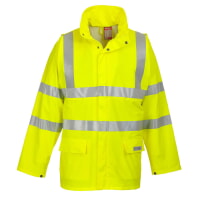
- Flame-resistant clothing: Designed to self-extinguish when exposed to flames.
- Non-FR materials: Can melt or continue burning, increasing injury severity.
- Layering considerations: All layers worn during hot work should be FR-rated.
FR clothing is a baseline requirement for most hot work applications.
3. Hand and Arm Protection for Hot Work
Hands and arms are closest to hot work hazards and require specialized protection.
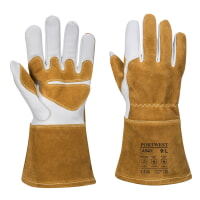
- Welding gloves: Provide heat resistance, spark protection, and dexterity.
- FR sleeves: Protect forearms from sparks and radiant heat.
- Proper fit: Loose gloves increase snag and exposure risks.
Gloves should be matched to the specific task cutting, welding, or grinding all require different designs.
4. Eye, Face, and Head Protection
Hot work produces intense light, flying debris, and heat that can cause serious eye and facial injuries.
- Welding helmets: Protect against arc flash and radiant heat.
- Face shields: Defend against sparks and molten metal.
- FR head protection: Prevents burns from overhead sparks.
Eye and face PPE should always be used in combination with other protective gear.
5. Footwear and Additional PPE Considerations
Foot injuries during hot work are often overlooked but can be severe.
- Heat-resistant boots: Protect against molten metal and hot surfaces.
- Metatarsal protection: Shields the top of the foot from falling sparks.
- Proper closures: Avoid open tongues or gaps where sparks can enter.
Comprehensive PPE selection reduces exposure from head to toe.
Bonus Tip:
Never mix FR and non-FR clothing synthetic base layers can negate the protection of FR outerwear.
Conclusion
Fire safety in hot work environments starts with understanding hazards and selecting PPE designed to withstand heat, sparks, and flames. From FR clothing and specialized gloves to proper eye, face, and foot protection, every piece of PPE plays a role in preventing injuries. Investing in the right hot work PPE not only protects workers it reduces downtime, improves compliance, and creates a safer jobsite culture.
Explore hot work PPE and fire-resistant safety gear at Abolox and equip your team for safe, compliant hot work operations.
Supporting Articles & References
OSHA 29 CFR 1910.252 – General Requirements for Welding, Cutting, and Brazing
The core OSHA regulation covering hot work fire prevention precautions and requirements tied to welding and cutting operations.
OSHA eTool – PPE Selection for Hot Work (Sparks, Slag, FR Garments)
Direct PPE selection guidance for hot work, including protection from sparks/slag and notes on leather or fire-retardant garments.
Safety+Health Magazine – Protect Welders from Burns (PPE Checklist Focus)
Practical PPE-focused guidance on preventing burns (helmets, FR garments, gloves, boots, and spark protection).
Tagged Products