Logo200.png)
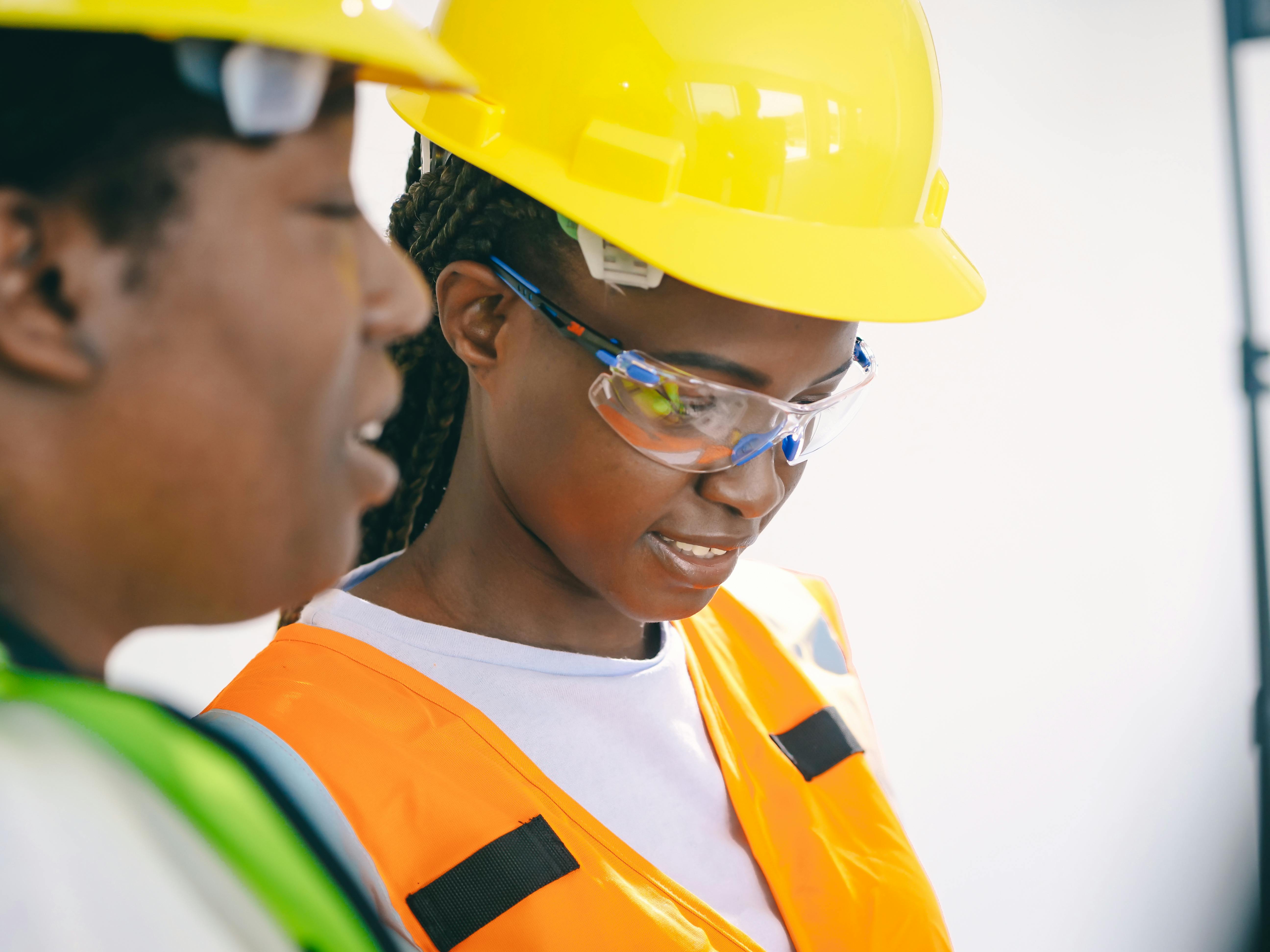
Eye Protection 101: Goggles vs. Glasses
If you’ve ever walked onto a job site or into a lab, you’ve probably seen the signs: "Eye Protection Required." But not all eye protection is created equal—and knowing the difference between safety glasses and goggles can be the line between a close call and a serious injury. Whether you're working with flying debris, chemicals, or just a lot of dust, choosing the right kind of eye protection matters more than you might think. So let’s break it down in simple terms.
Why Eye Protection Isn’t One-Size-Fits-All
Your eyes are incredibly vulnerable. In a split second, they can be damaged by particles, splashes, UV rays, or even pressure changes. And yet, many people still treat safety glasses and goggles as interchangeable. Each serves a different purpose—and understanding when to use which one is key to staying safe.
Safety Glasses: Your Everyday Defense
Think of safety glasses as your first line of defense in a wide range of environments. They look a lot like regular glasses but are made with impact-resistant lenses and reinforced frames.
Best for:
- Protection from flying particles or dust
- Light-duty work in construction, woodworking, or landscaping
- Tasks where liquid splashes or vapors aren’t a concern
Pros:
- Lightweight and comfortable
- Good for long-term wear
- Often available with anti-fog, UV, or prescription options
Limitations:
- No seal around the eyes—dust or chemicals can sneak in
- Less effective in high-risk environments
Safety Goggles: The Full Seal
Goggles offer something safety glasses don’t—a tight seal around your eyes. That makes them ideal when the hazard isn’t just flying particles, but liquids, fumes, or fine dust that can get around open sides.
Best for:
- Working with chemicals, solvents, or caustic materials
- Welding, grinding, or high-dust environments
- Labs, industrial plants, or cleanup operations
Pros:
- Full 360° eye protection
- Often vented to reduce fogging
- Some models fit over prescription glasses
Limitations:
- Can be bulkier and warmer
- May fog up if not vented properly
- Less comfortable for all-day wear
Rule of thumb:
If something could splash, spray, or seep into your eyes, go with goggles.
If it’s about impact or flying debris, glasses usually do the job.
Conclusion
Eye protection isn’t optional—it’s essential. And picking between goggles and glasses isn’t just a style choice; it’s about understanding the hazards around you and choosing the right defense. After all, you only get one pair of eyes. Visit Abolox today to find the right protection for your environment.
Tagged Products


![Radians BG1-11 Barricade Anti Fog Safety Goggles Clear Anti-Fog [10 PACK]](assets/images/_radians/thumbnails/Radians_BG1-11_thumb.jpg)
![Radians BG1-91 Barricade Anti Fog Safety Goggles Indoor/Outdoor Anti-Fog [10 PACK]](assets/images/_radians/thumbnails/Radians_BG1-91_thumb.jpg)


