Logo200.png)
The Evolution of Hand Tools: From Traditional to High-Tech
Hand tools have shaped human progress for thousands of years. From early forged implements to precision-calibrated torque instruments and digitally enhanced systems, tools have continuously evolved to meet the demands of modern industry. While the core purpose of hand tools remains the same applying force with control and accuracy the materials, engineering, ergonomics, and technology behind them have transformed dramatically. Today’s professional-grade tools combine durability, safety, and innovation in ways that were unimaginable just decades ago. Understanding this evolution helps safety managers, tradespeople, and procurement teams appreciate why investing in high-quality tools improves performance and protection.
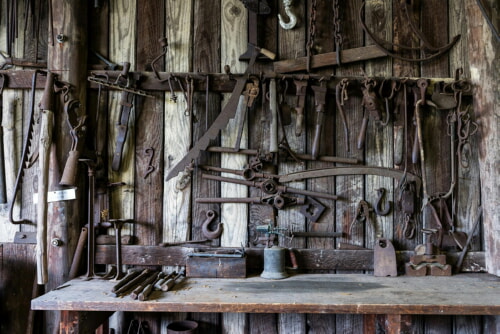
1. The Foundations: Forged Steel and Craftsmanship
Traditional hand tools were built around strength and simplicity.
- Forged construction: Early blacksmith techniques created durable steel tools.
- Manual precision: Craftsmanship determined fit and finish quality.
- Long service life: Properly maintained tools lasted generations.
2. Industrial Revolution and Mass Production
Manufacturing advancements standardized tool quality.
- Machined tolerances: Improved consistency and accuracy.
- Interchangeable components: Enabled scalable production.
- Expanded availability: Professional tools became widely accessible.
3. Alloy Innovation and Material Science
Stronger metals changed performance expectations.
- Chrome-vanadium and chrome-molybdenum steels: Increased strength and corrosion resistance.
- Heat treatment processes: Improved hardness without brittleness.
- Coatings and finishes: Enhanced rust resistance and longevity.
4. Ergonomics and Worker Safety
Tool design shifted toward reducing strain and injury.
As industries recognized repetitive motion injuries and fatigue risks, manufacturers redesigned grips, handle angles, and weight distribution. Cushion grips, anti-slip coatings, and vibration-reducing materials became standard in professional-grade tools. Ergonomic improvements reduce hand strain, improve control, and enhance overall safety.
5. Precision and Calibration Advancements
Accuracy became critical in modern mechanical systems.
Torque wrenches, micrometers, and calibrated instruments emerged to meet tighter engineering tolerances. Adjustable torque tools now offer dual-scale readings, fine calibration increments, and traceable testing standards—critical for automotive, aerospace, utilities, and industrial maintenance sectors.
6. Integration of Smart Technology
High-tech tools now incorporate digital features.
Electronic torque wrenches, Bluetooth-enabled diagnostic devices, and data-logging tools allow technicians to capture measurements and verify compliance. Smart tools reduce human error, support quality control documentation, and integrate with maintenance management systems.
7. High-Visibility and Specialized Safety Features
Modern tools address visibility and compliance.
Color-coded handles, insulated designs for electrical work, and non-sparking tools for hazardous environments demonstrate how safety standards have influenced tool innovation. Manufacturers now design tools specifically for regulated industries requiring compliance with ANSI, ISO, or NFPA standards.
8. Sustainability and Longevity
Durability remains a defining feature of professional-grade tools.
High-quality tools reduce waste through longer life cycles. Replaceable components, repairability, and corrosion-resistant finishes extend usability while lowering total ownership costs. Investing in well-engineered tools supports both operational efficiency and sustainability goals.
Bonus Tip:
When upgrading tools, evaluate not only price but also material composition, warranty coverage, and compliance certifications.
Conclusion
The evolution of hand tools reflects broader advances in manufacturing, safety science, and engineering precision. From traditional forged steel craftsmanship to digitally enhanced smart tools, innovation continues to improve durability, accuracy, and worker protection. Professional-grade tools today offer enhanced ergonomics, corrosion resistance, and compliance-ready performance ensuring reliability across demanding environments. By understanding how hand tools have evolved, businesses can make smarter purchasing decisions and equip their teams for long-term success.
Explore professional-grade hand tools at Abolox and invest in tools built for today’s performance and tomorrow’s challenges.
Supporting Articles & References
The History of Tools – OSHA Education Center
Provides an overview of how tools have evolved throughout history, highlighting key innovations that shaped modern industrial and construction practices.
Tagged Products