Logo200.png)
Enhance Your Work with Crowfoot Wrenches: Avoiding Common Mistakes
Are you a professional technician looking to master using crowfoot wrenches effectively? Look no further! Our comprehensive guide on "Avoiding Common Crowfoot Wrench Mistakes and How to Avoid Them" is your key to elevating your skills and achieving exceptional results in your work.
Introduction:
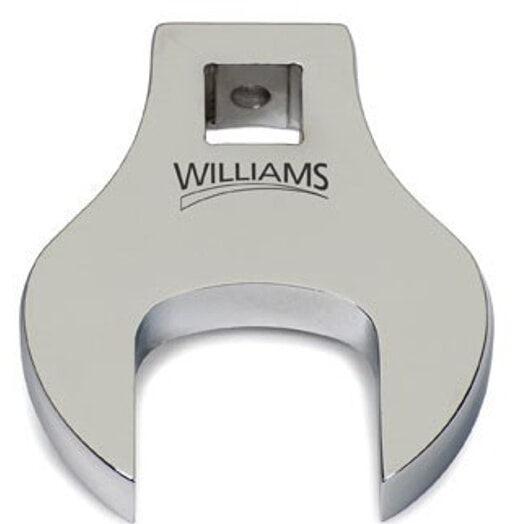
Crowfoot wrenches are invaluable tools in the arsenal of professional technicians. Their unique design allows for accessing tight spots and fasteners that traditional wrenches cannot reach. However, like any tool, misusing crowfoot wrenches can lead to mistakes and potential problems. In this article, we'll explore common crowfoot wrench mistakes and guide how to avoid them.
1. Incorrect Sizing
One of the most frequent errors when using crowfoot wrenches is selecting the wrong size. Using an improperly sized crowfoot wrench can result in slippage, damaging the fastener or the wrench itself. Always double-check the fastener's size before choosing the appropriate crowfoot wrench to avoid this mistake. Precision is key; using the correct size will ensure a secure fit and prevent unnecessary damage.
2. Not Using Proper Extensions
Crowfoot wrenches are often used in conjunction with extensions and ratchets. Failing to use the right extensions can lead to reduced torque, compromised stability, and difficulty accessing the fastener. Always use the recommended extension length for the specific job to maintain proper leverage and securely attach the wrench to the ratchet or extension.
3. Over-tightening or Under-Tightening
Achieving the proper torque is crucial in many mechanical applications. Over-tightening can lead to stripped threads or even component damage, while under-tightening can result in loose connections and potential failures. To avoid this mistake, use a torque wrench with your crowfoot wrench to ensure accurate and consistent torque levels according to manufacturer specifications.
4. Ignoring Accessibility Considerations
While crowfoot wrenches are designed to access tight spots, it's important to assess the accessibility of the area before using them. Trying to force a crowfoot wrench into a space that is too confined can lead to accidents, injuries, or damage to the tool. Always evaluate the accessibility of the fastener and the surrounding area to avoid potential hazards.
5. Lack of Proper Lubrication
Using crowfoot wrenches on stubborn or rusted fasteners without proper lubrication can increase friction and make the job more challenging. Applying a suitable lubricant can ease the process, reduce wear on the wrench and fastener, and prevent potential damage. Be sure to select a lubricant that is appropriate for the materials involved and the task at hand.
6. Not Inspecting the Wrench
Regularly inspecting your crowfoot wrench is crucial to identify any signs of wear, damage, or defects. Using a damaged wrench can lead to unsafe working conditions and compromised results. Before using the wrench, carefully examine it for cracks, deformities, or other issues. If you notice any problems, replace the wrench immediately.
7. Poor Technique
Using crowfoot wrenches with proper technique can lead to efficient work and potential safety risks. Always apply steady and even pressure, and avoid sudden movements that could cause the wrench to slip. Additionally, ensure you're positioned in a way that allows you to exert force comfortably and safely.
Summary
Elevate your work and stand out as a skilled technician by avoiding common crowfoot wrench mistakes. Say goodbye to inefficiencies and mishaps – embrace precision, efficiency, and confidence in every task you undertake
Tagged Products