Logo200.png)

DIY Safety Inspections: Ensuring Your Equipment is Up to Par
Regular safety inspections of your equipment are essential to maintaining a safe and productive work environment. Whether you're in construction, manufacturing, or any other industry that relies on machinery and tools, performing DIY safety inspections can help prevent accidents, reduce downtime, and extend the life of your equipment. This blog provides a comprehensive guide on how to carry out effective DIY safety inspections.
The Importance of DIY Safety Inspections
Regular safety inspections are crucial for several reasons:
- Preventing Accidents: Identifying and addressing potential hazards before they cause accidents helps protect workers and reduces liability.
- Reducing Downtime: Well-maintained equipment is less likely to break down, ensuring continuous operation and productivity.
- Extending Equipment Lifespan: Regular maintenance and inspections can prolong the life of your equipment, saving you money on repairs and replacements.
- Compliance with Regulations: Adhering to safety regulations and standards helps avoid legal issues and ensures a safe working environment.
Steps for Conducting DIY Safety Inspections
- Create an Inspection Schedule: Establish a regular schedule for inspecting your equipment. Depending on the type of equipment and usage, this could be daily, weekly, or monthly.
- Develop a Checklist: Create a comprehensive checklist for each piece of equipment. The checklist should cover all critical components and potential hazards.
- Gather Necessary Tools:Ensure you have the right tools for the inspection, such as flashlights, screwdrivers, wrenches, and personal protective equipment (PPE).
- Perform a Visual Inspection:Start by inspecting the equipment visually. Look for signs of wear and tear, such as cracks, rust, or loose components.
- Check Moving Parts: Inspect all moving parts to ensure they function correctly. Lubricate any components that require it and tighten any loose bolts or screws.
- Test Safety Features: Verify that all safety features, such as emergency stops, guards, and alarms, are in working order.
- Document Findings: Record any issues or potential hazards you identify during the inspection. Use this documentation to track maintenance and repairs.
- Address Issues Immediately: Fix any identified issues immediately to prevent them from becoming more significant problems. If a repair is beyond your capability, schedule professional maintenance.
- Review and Update Checklists: Regularly review and update your inspection checklists to ensure they remain relevant and comprehensive.
Key Areas to Inspect
- Electrical Systems: Check for frayed wires, loose connections, and proper grounding. Ensure all electrical components are functioning correctly.
- Hydraulic Systems: Inspect hoses and fittings for leaks or damage. Ensure the hydraulic fluid is at the correct level and is free of contaminants.
- Mechanical Components: Examine belts, gears, and chains for wear and proper tension. Lubricate as needed and replace any worn parts.
- Pneumatic Systems: Check for air leaks and ensure all connections are secure. Verify that air pressure is at the appropriate level.
- Structural Integrity: Inspect the equipment's overall structure for cracks, bends, or other damage that could affect its stability and safety.
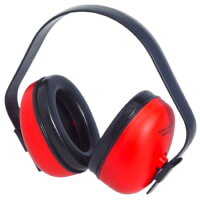
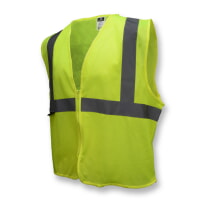
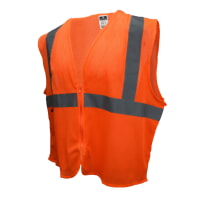
- Personal Protective Equipment (PPE): Ensure all PPE is in good condition and readily available. Replace any damaged or expired PPE items.
Conclusion
DIY safety inspections are vital to maintaining a safe and efficient workplace. By regularly inspecting your equipment, you can prevent accidents, reduce downtime, and extend the life of your machinery. Implementing a thorough inspection routine and addressing any issues promptly will help ensure your equipment remains up to par and compliant with safety standards.
Visit Abolox for more tips on equipment maintenance and safety. Our expert insights and quality products will help you stay informed and keep your workplace safe.
Tagged Products
![MCR Safety 1317 Cowhide Full Leather Work Gloves Back With Rubberized Cuff [12 PACK]](assets/images/mcr/thumbnails/1317_thumb.jpg)
![MCR Safety 1413A Cowhide Leather Palm Work Glove With 3/4 Leather Back [12 PACK]](assets/images/mcr/thumbnails/1413A_thumb.jpg)
![Radians BAL1-21 Balsamo Safety Glasses with Black Frame / Smoke Anti-Fog Lens [12 PACK]](assets/images/_radians/thumbnails/Radians_BAL1-21_thumb.jpg)

![Radians FP31 Detour® 32 dB NRR Disposable Winged Foam Earplugs Corded [1000 Pairs]](assets/images/_radians/alt200/Radians_FP31_ALT1.jpg)
![Radians MRF191ID Mirage Foam Anti Fog Safety Glasses Indoor/Outdoor Anti-Fog Lens [12 PACK]](assets/images/_radians/thumbnails/Radians_MRF191ID_thumb.jpg)


![Radians TR0HVG-BX TRPX™ High Visibility 29 dB NRR Earmuff Hi-Viz Green [1 PAIR]](assets/images/_radians/thumbnails/Radians_TR0HVG-BX_thumb.jpg)
![Radians TR0HVO-BX TRPX™ High Visibility 29 dB NRR Earmuff Hi-Viz Orange [1 PAIR]](assets/images/_radians/thumbnails/Radians_TR0HVO-BX_thumb.jpg)
