Logo200.png)

Cooling PPE: Start Planning for Summer Heat Now
Heat-related illnesses don’t start in the middle of summer they begin when employers wait too long to prepare. As temperatures rise, workers in construction, utilities, manufacturing, and maintenance face increased risk of heat stress, dehydration, and fatigue. Cooling PPE plays a critical role in protecting workers, but effective use requires planning well before the hottest days arrive. Early preparation ensures the right equipment is available, workers are trained, and heat safety becomes part of daily operations rather than a reactive response.
1. Why Early Planning for Cooling PPE Matters
Waiting until temperatures spike often leads to rushed decisions, limited inventory, and inconsistent protection. Planning ahead allows safety managers to implement cooling strategies proactively.
- Supply availability: Cooling PPE often sells out quickly during heat waves.
- Proper fit and sizing: Early planning allows time for sizing and testing.
- Training opportunities: Workers learn how and when to use cooling gear correctly.
- Reduced heat incidents: Preventative measures lower heat-related injuries.
Heat safety is most effective when it’s built into seasonal planning not added at the last minute.
2. Understanding Heat Stress Risks on the Job
Heat stress affects both physical safety and job performance. Even moderate heat can reduce concentration and endurance.
- High ambient temperatures: Outdoor work and unconditioned indoor spaces.
- Protective clothing: PPE that traps heat increases body temperature.
- Physical exertion: Heavy labor accelerates heat buildup.
- Limited airflow: Confined or enclosed work areas.
Cooling PPE helps offset these risks when environmental controls aren’t possible.
3. Types of Cooling PPE and How They Work
Cooling PPE comes in several forms, each designed to reduce heat strain in different ways.
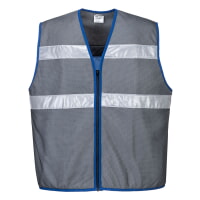
- Cooling vests: Use phase-change materials or evaporative cooling to absorb heat.
- Cooling neck wraps: Help regulate core temperature by cooling blood flow.
- Breathable base layers: Wick sweat away from the body.
- Ventilated headwear: Improves airflow and reduces heat retention.
Selecting the right combination depends on job tasks, environment, and duration of exposure.
4. Matching Cooling PPE to Job Conditions
Not all cooling solutions work equally in every environment. Understanding job conditions ensures effective protection.
- High-humidity environments: Phase-change cooling is more effective than evaporative.
- Dry heat: Evaporative cooling performs well.
- Long shifts: Reusable or rechargeable cooling options reduce downtime.
- Confined spaces: Lightweight, low-profile cooling gear minimizes bulk.
Field testing PPE before peak summer helps identify the best solutions for each crew.
5. Implementing a Heat Safety Program Before Summer
Cooling PPE is most effective when paired with administrative controls and work practices.
- Acclimatization plans: Gradually increase exposure for new or returning workers.
- Hydration policies: Encourage frequent water breaks.
- Work/rest schedules: Adjust tasks during peak heat hours.
- Supervisor training: Teach early signs of heat stress.
Combining PPE with smart planning reduces heat-related incidents and improves morale.
Bonus Tip:
Introduce cooling PPE during spring training workers are more likely to use it correctly when they’re already familiar with the gear.
Conclusion
Summer heat doesn’t arrive overnight, but its effects can escalate quickly if employers aren’t prepared. Planning for cooling PPE now ensures workers stay safe, productive, and compliant when temperatures climb. By understanding heat risks, selecting appropriate cooling gear, and integrating PPE into a broader heat safety program, organizations can prevent heat stress before it becomes a problem. Early preparation is the most effective form of heat protection.
Explore cooling PPE and heat stress solutions at Abolox and prepare your workforce for safe, productive summer operations.
Supporting Articles & References
OSHA – Heat Exposure & Illness Prevention
Covers employer responsibilities and recommended controls for preventing heat-related illnesses.
NIOSH – Heat Stress in the Workplace
Explains heat stress risk factors, prevention strategies, and worker protection guidance.
Tagged Products