Logo200.png)
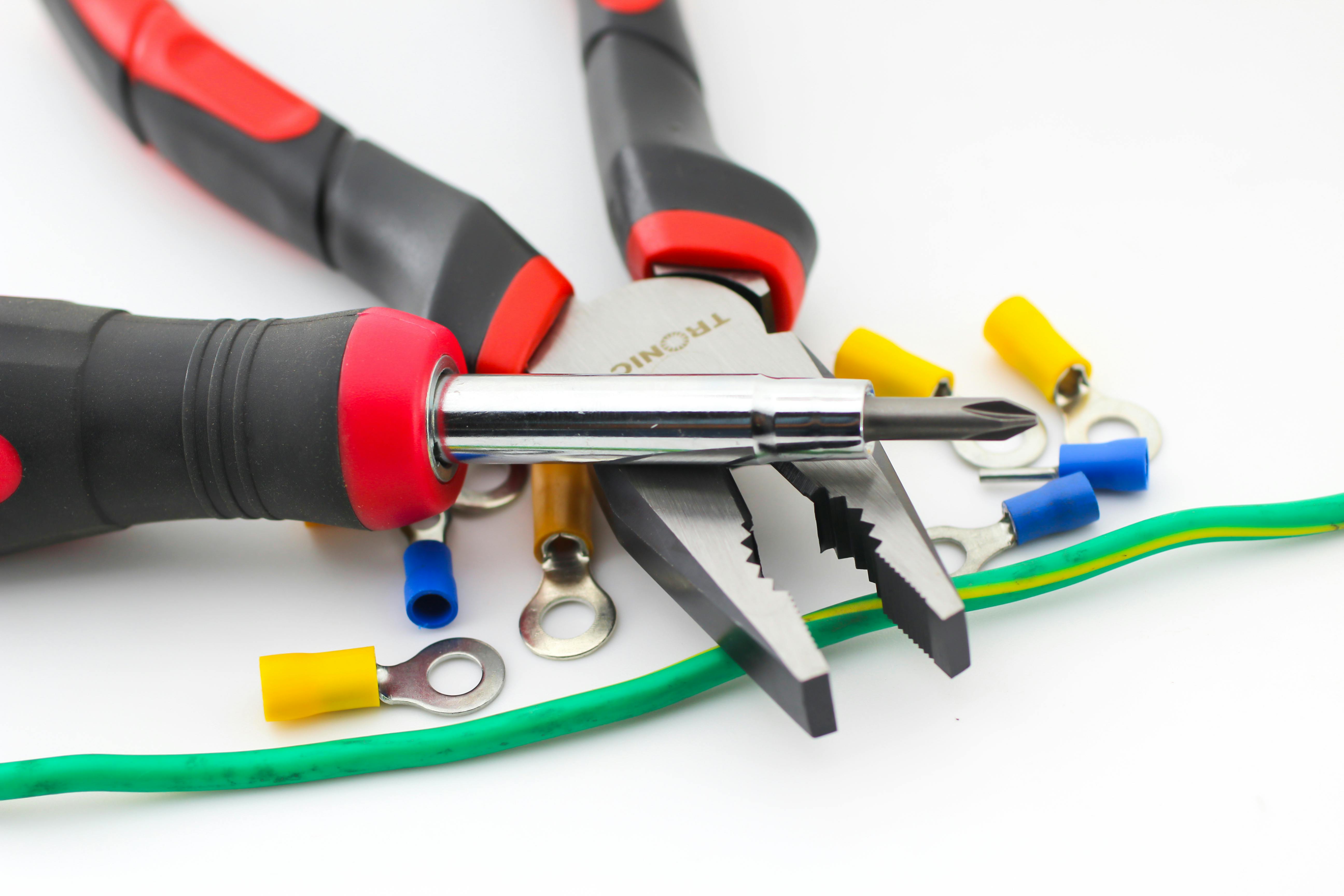
The Best Hand Tools for Electrical Maintenance Jobs
Electrical maintenance work demands precision, reliability, and above all, safety. Whether technicians are servicing control panels, repairing industrial equipment, or performing facility maintenance, the tools they use directly affect job quality and personal protection. Unlike general mechanical work, electrical tasks introduce the risk of shock, arc exposure, and equipment damage if improper tools are used. Selecting the best hand tools for electrical maintenance jobs helps reduce hazards, improve efficiency, and ensure compliance with safety standards. For supervisors and electricians alike, having the right tools on hand is a foundational part of a safe and productive electrical maintenance program.
1. Insulated Hand Tools Are Non-Negotiable
Insulated tools are specifically designed to protect users when working on or near energized components.
- Voltage-rated insulation: Look for tools tested and rated for electrical work, commonly up to 1,000 volts.
- Layered insulation: High-quality insulated tools feature multiple layers that show visible wear if compromised.
- Reduced shock risk: Proper insulation provides a critical barrier between the user and live circuits.
2. Essential Insulated Screwdrivers and Nut Drivers
Screwdrivers and nut drivers are among the most frequently used tools in electrical maintenance.
- Flathead and Phillips insulated screwdrivers: Used for terminal blocks, panels, and enclosures.
- Insulated nut drivers: Ideal for tightening and loosening hex fasteners in control cabinets.
- Precision tips: Properly machined tips reduce cam-out and fastener damage.
3. Pliers and Cutters Designed for Electrical Work
Electrical pliers and cutters must deliver clean cuts and secure grips without compromising safety.
- Insulated combination pliers: Useful for gripping, twisting, and bending wire.
- Diagonal cutters: Provide clean wire cuts without crushing conductors.
- Needle-nose pliers: Allow precise handling of small wires and components in tight spaces.
4. Voltage Testers and Meters
No electrical maintenance job should begin without verifying the presence or absence of voltage.
Non-contact voltage testers, multimeters, and continuity testers help confirm circuits are de-energized before work begins. Using properly rated and maintained testing equipment reduces the risk of accidental contact with live components and supports lockout/tagout procedures.
5. Torque Tools for Electrical Connections
Many electrical connections require precise torque to ensure proper conductivity and prevent overheating.
Insulated torque screwdrivers and torque wrenches help technicians tighten connections to manufacturer specifications. Over-tightening can damage terminals, while under-tightening can lead to loose connections, arcing, and equipment failure.
6. Tool Quality and Durability Matter
Electrical maintenance tools must withstand frequent use while maintaining accuracy and insulation integrity.
High-quality alloy steel construction, precise machining, and durable insulation coatings contribute to longer tool life and consistent performance. Inferior tools may wear quickly, lose insulation integrity, or provide poor fit—creating both safety and quality risks.
7. Proper Storage and Inspection
Even the best tools require regular inspection and proper storage.
Insulated tools should be checked for cracks, cuts, or wear before each use. Storing tools in protective cases or designated tool bags helps prevent damage to insulation and keeps equipment organized. Removing damaged tools from service immediately is essential to maintaining a safe electrical maintenance environment.
Bonus Tip:
Implement a routine inspection checklist for insulated tools so damaged items are identified and replaced before they reach the jobsite.
Conclusion
The best hand tools for electrical maintenance jobs combine safety-rated insulation, precision performance, and durable construction. From insulated screwdrivers and pliers to voltage testers and torque tools, each item plays a critical role in protecting workers and ensuring reliable electrical systems. Investing in the right tools—and maintaining them properly—reduces risk, improves workmanship, and supports compliance with electrical safety standards. Well-equipped electricians are safer, more efficient, and better prepared to handle the demands of modern electrical maintenance.
Explore insulated hand tools for electrical work at Abolox and equip your team with tools built for safety and precision.
Supporting Articles & References
OSHA 29 CFR 1910.335 – Safeguards for Personnel Protection
Outlines OSHA requirements for personal protective equipment and safeguards needed to protect workers from electrical hazards during maintenance and operational tasks.
Tagged Products


