Logo200.png)
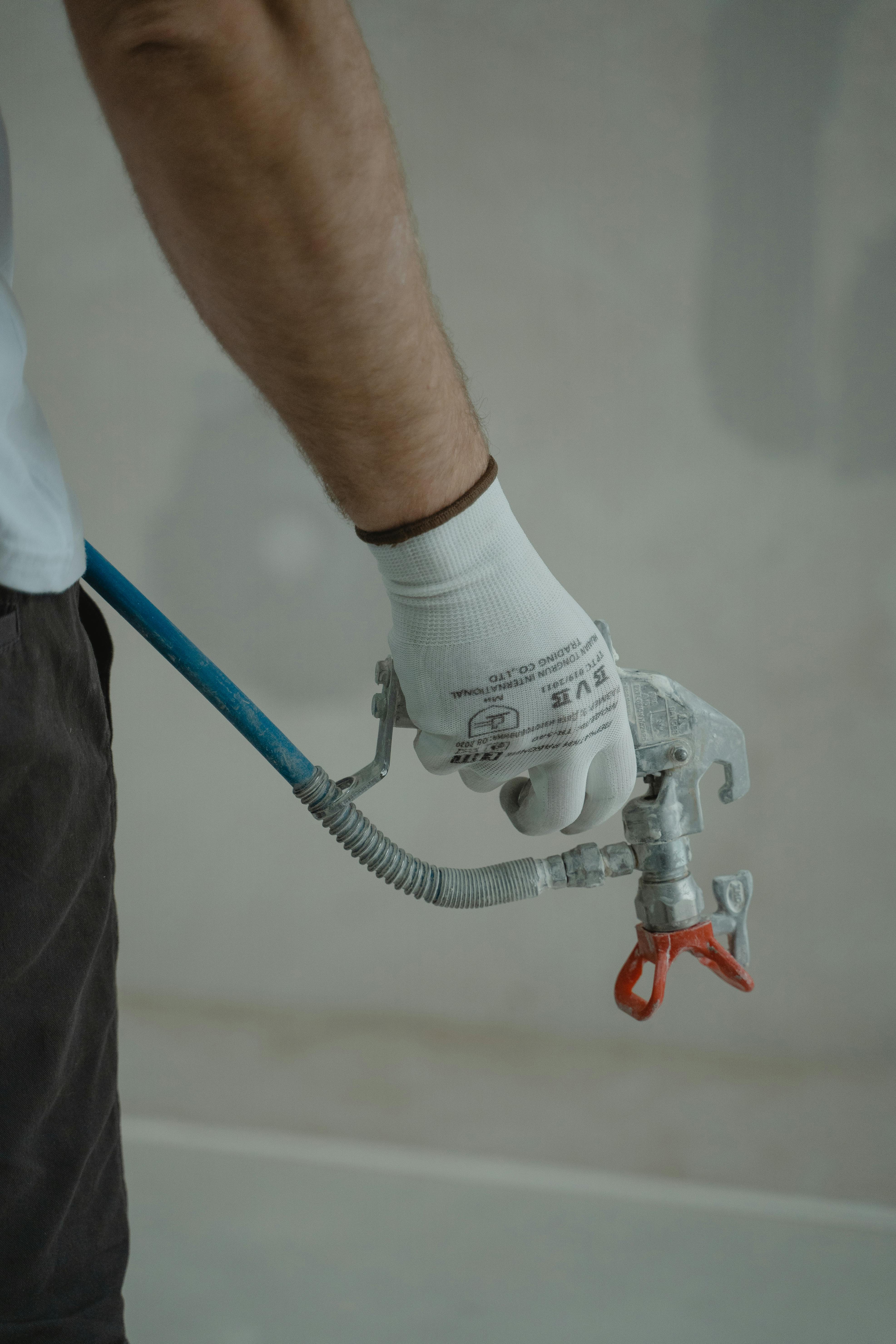
Agricultural Chemical Handling: Closed-Loop Sprayer Tool Safety
Handling agricultural chemicals is one of the most hazardous tasks in farming and crop management. Pesticides, herbicides, and fertilizers contain compounds that can harm workers and the environment if not managed properly. To combat these risks, many operations are transitioning to closed-loop sprayer systems—a safer and more efficient way to handle, mix, and apply chemicals. Here’s what you need to know about the tools, PPE, and best practices that make closed-loop sprayer systems a major advancement in agricultural safety.
1. What Is a Closed-Loop Sprayer System?
A closed-loop system allows chemicals to be transferred directly from storage containers into spray tanks without the operator ever coming into direct contact with the material. This system uses sealed fittings, hoses, and couplers to prevent spills, splashes, and vapor release. By minimizing exposure during transfer, closed-loop systems dramatically reduce the risk of chemical burns, inhalation, and environmental contamination.
2. Advantages of Closed-Loop Systems
- Enhanced Worker Safety: Prevents direct contact with hazardous substances during mixing and transfer.
- Reduced Environmental Impact: Prevents leaks and overfills that could contaminate soil or waterways.
- Increased Efficiency: Faster and more accurate chemical loading saves time and minimizes waste.
- Regulatory Compliance: Meets EPA and OSHA safety guidelines for chemical handling and exposure control.
3. PPE for Chemical Handling
Even with closed systems, personal protective equipment is non-negotiable. Agricultural workers should wear:
- Chemical-Resistant Gloves: Nitrile or neoprene gloves rated for pesticide and solvent resistance.
- Protective Suits or Coveralls: Tychem® or similar suits designed for liquid chemical splash protection.
- Respiratory Protection: Half-mask or full-face respirators with organic vapor and particulate filters.
- Face Shields or Goggles: Eye protection against splashes during equipment maintenance or container changes.
- Rubber Boots: Non-absorbent footwear that resists chemical degradation.
4. Essential Tools for Closed-Loop Safety
- Dry Break Couplers and Adapters: Create a sealed connection that prevents drips during tank transfer.
- Chemical Induction Hoppers: Allow safe introduction of additives and smaller chemicals into the system.
- Flow Meters and Calibration Devices: Ensure accurate chemical dosing and prevent overapplication.
- Pressure-Relief Valves: Reduce risks of overpressurization or backflow.
5. Maintenance and Inspection
Closed-loop systems require regular inspection to remain safe and effective. Check hoses and seals for wear, ensure couplers lock securely, and flush the system with clean water after each use. Routine maintenance reduces cross-contamination and extends the lifespan of the equipment.
Bonus Tip:
Label all containers and sprayer components clearly with the chemical names and hazard symbols. Consistent labeling helps prevent mix-ups and improves emergency response readiness.
Conclusion
Closed-loop sprayer systems represent a significant step forward in agricultural safety, reducing exposure risks while improving operational efficiency. When paired with the proper PPE and regular equipment inspections, they protect both workers and the environment. Ready to upgrade your operation? Find all essential tools and PPE for closed-loop sprayer safety—only at Abolox.
Tagged Products



![Portwest A812GNR Nitrosafe Plus Chemical Gauntlet Green [12 PACK]](assets/images/portwest/thumbnails/A812GNR_thumb.jpg)
